by
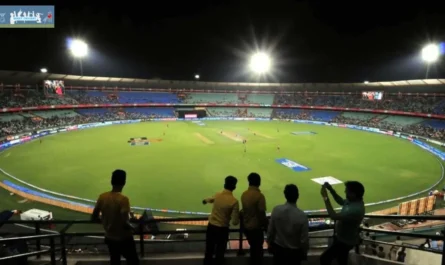
by When the sun sets and the floodlights take over, a cricket stadium transforms into a dazzling arena. But behind that perfect illumination lies a critical design element — the height of the light poles. This is not just an engineering choice; it’s a factor that directly affects player performance, spectator experience, and broadcast quality.
In this post, we’ll explore cricket stadium light pole height in detail — from standard measurements to the science behind them — so you can understand why those towering structures are more than just metal and bulbs.
Contents
- Why Light Pole Height Matters?
- Standard Light Pole Heights by Level of Play
- Why Light Pole Height Matters
- Factors Influencing Light Pole Height
- Engineering & Safety Standards
- Fun Fact
- Frequently Asked Questions (FAQs) – Cricket Stadium Light Pole Height
- Que 1. What is the Standard Height of Light Poles in an International Cricket Stadium?
- Que 2. Why are Cricket Stadium Light Poles so Tall?
- Que 3. Are Light Pole Heights the Same for all Cricket Grounds?
- Que 4. What Factors Determine the Height of Cricket Stadium Floodlight Poles?
- Que 5. Which Cricket Stadium Has Some of the Tallest Light Poles in the World?
- Que 6. Do ICC Lighting Guidelines Specify Exact Pole Heights?
- Que 7. Can LED Floodlights Reduce the Required Pole Height?
- Que 8. How Many Light Poles are Typically Used in a Cricket Stadium?
- Que 9. What Safety Measures are Considered for Tall Light Poles?
- Q10. Does Pole Height Affect Player Performance?
- Personal Insight
- Conclusion
Why Light Pole Height Matters?
The height of light poles in a cricket stadium determines:
- Uniformity of Illumination: Ensures every part of the field, from the pitch to the deep boundary, is evenly lit.
- Shadow Reduction: Minimises distracting shadows that can affect a fielder’s judgment.
- Ball Visibility: Helps players track the ball against the night sky, especially in high‑speed deliveries and aerial shots.
- Broadcast Quality: Meets the lux level requirements for HD and Ultra‑HD television coverage.
Standard Light Pole Heights by Level of Play
General Range: Cricket stadium light poles typically range between 14 to 50 meters (46 to 164 feet) depending on the size of the ground and level of competition.
Class I, II, III Matches: For non‑televised or lower‑tier matches, poles are usually 20–25 meters high.
International Stadiums: Larger venues hosting televised matches often use poles closer to 40–50 meters to ensure uniform coverage and minimize shadows.
According to professional lighting design guidelines and stadium engineering standards, typical heights are:
| Level of Cricket | Average Light Pole Height | Purpose |
|---|---|---|
| Recreational Grounds | 14–20 metres (46–66 ft) | Sufficient for local matches and practice sessions. |
| Training / School / College Fields | 22–30 metres (72–98 ft) | Brighter lighting for skill development and small competitions. |
| Local / Regional Competitions | 25–33 metres (82–108 ft) | Adequate for larger crowds and semi‑professional play. |
| National / International Stadiums | 30–50 metres (98–164 ft) | Meets ICC standards for televised matches and global tournaments. |
Why Light Pole Height Matters
- Player Visibility: Poles that are too low cause glare, while excessively high poles may reduce intensity at ground level.
- Spectator Experience: Proper height ensures fans in all stands enjoy clear visibility without dark patches.
- Broadcast Quality: Television cameras rely on consistent lighting to capture high‑definition visuals.
- Cost Efficiency: Taller poles require more powerful lights, increasing installation and maintenance costs.
Factors Influencing Light Pole Height
- Stadium Size & Shape Oval or circular grounds require different lighting angles to avoid dark spots.
- Number of Poles Fewer poles may require greater height to cover the same area.
- Lighting Technology Modern LED floodlights can achieve better coverage at slightly lower heights compared to older metal halide lamps.
- Broadcast Requirements ICC guidelines for televised matches often demand higher lux levels, influencing pole height.
- Environmental Considerations Taller poles may require wind‑resistant designs and anti‑glare shields to reduce light pollution.
Engineering & Safety Standards
Professional cricket stadiums follow ICC lighting guidelines and local building codes. Engineers conduct:
- Lighting Simulations: To determine optimal pole placement and height.
- Wind Load Analysis: Ensuring poles can withstand extreme weather.
- Maintenance Access Planning: Designing for Safe Bulb Replacement and Servicing.
Fun Fact
The Melbourne Cricket Ground (MCG) has light towers standing at 85 metres (279 ft) — among the tallest in the world — visible from kilometres away.
Frequently Asked Questions (FAQs) – Cricket Stadium Light Pole Height
Que 1. What is the Standard Height of Light Poles in an International Cricket Stadium?
Ans: In most international cricket stadiums, light poles range from 30 to 50 metres (98–164 ft) in height, meeting ICC lighting guidelines for televised matches.
Que 2. Why are Cricket Stadium Light Poles so Tall?
Ans: Tall poles ensure uniform illumination, reduce shadows, improve ball visibility under lights, and meet broadcast lux level requirements for HD and Ultra‑HD coverage.
Que 3. Are Light Pole Heights the Same for all Cricket Grounds?
Ans: No. Recreational grounds may have poles as low as 14–20 metres, while professional stadiums require 30–50 metres, depending on ground size, lighting technology, and broadcast needs.
Que 4. What Factors Determine the Height of Cricket Stadium Floodlight Poles?
Ans: Key factors include stadium size, number of poles, lighting technology (LED vs metal halide), wind load capacity, and environmental regulations.
Que 5. Which Cricket Stadium Has Some of the Tallest Light Poles in the World?
Ans: The Melbourne Cricket Ground (MCG) in Australia has light towers approximately 85 metres (279 ft) tall — among the tallest in any sports venue globally.
Que 6. Do ICC Lighting Guidelines Specify Exact Pole Heights?
Ans: No. The ICC specifies lux levels and uniformity standards, not exact pole heights. Engineers determine the height based on simulations and the stadium’s design.
Que 7. Can LED Floodlights Reduce the Required Pole Height?
Ans: Yes. LED technology can achieve better light spread at slightly lower heights compared to older systems, but pole height still depends on ground dimensions.
Que 8. How Many Light Poles are Typically Used in a Cricket Stadium?
Ans: Most large stadiums use four to six poles, strategically placed to ensure even coverage without glare for players or spectators.
Que 9. What Safety Measures are Considered for Tall Light Poles?
Ans: Engineers conduct wind load analysis, use corrosion‑resistant materials, and design safe access systems for maintenance.
Q10. Does Pole Height Affect Player Performance?
Ans: Indirectly, yes. Proper height ensures consistent lighting, helping players judge the ball’s speed, trajectory, and spin under night conditions.
Personal Insight
As a professional cricketer, I’ve experienced the difference lighting makes. Playing under poles around 40 meters high in international stadiums felt seamless, with no shadows interfering with shot selection. In contrast, smaller venues with lower poles often created glare, making it harder to pick up the ball under lights.
Also Read: Motera Cricket Stadium Boundary Length in Meters: A Complete Guide for Fans and Analysts
Conclusion
The height of cricket stadium light poles is a vital element in stadium design, balancing visibility, performance, and cost. With typical ranges between 14–50 meters, the choice depends on match level, stadium size, and technology used.
Important Tip: Properly designed light pole heights ensure that cricket under lights remains safe, fair, and spectacular for players and fans alike.