 by
by The Indian Premier League (IPL) is played under intense lights and high pressure, so the choice of match ball matters. Below I explain which ball is used in the IPL, why it’s selected, how it’s made, and what players and coaches should know — drawing on match experience, equipment testing, and industry specifications.
Contents
Which Ball Is Used In The IPL?
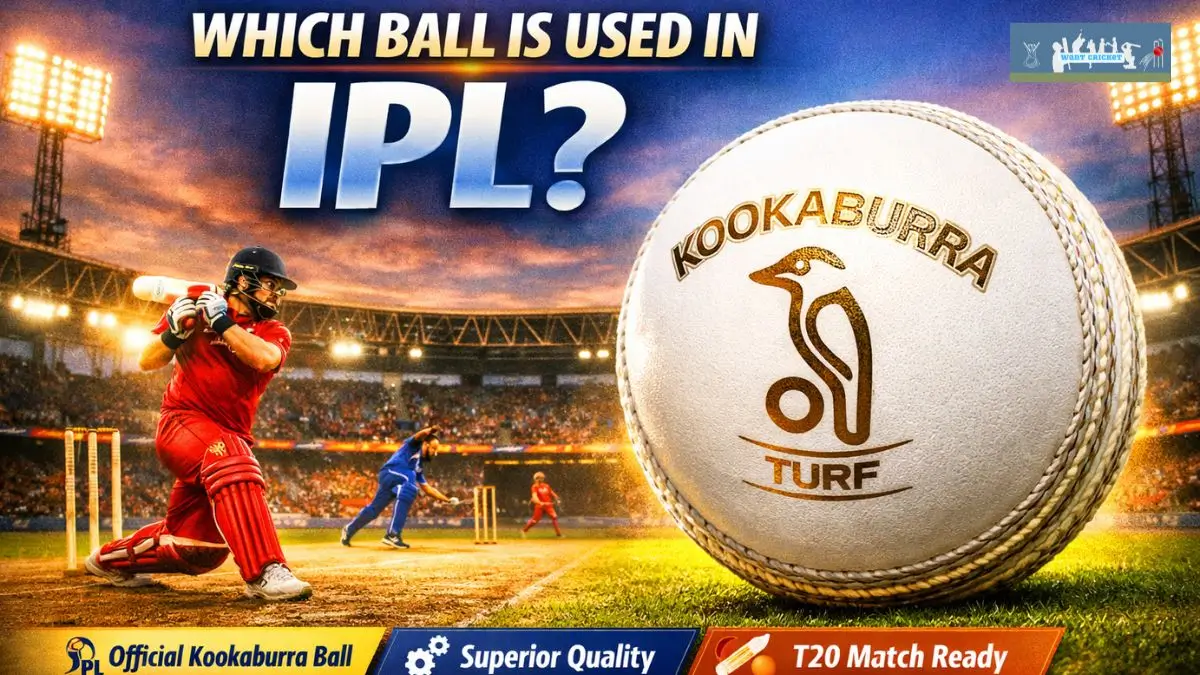
- Official IPL ball: Kookaburra Turf White (machine‑stitched, limited‑overs match ball).
- Typical retail price range (2024–2025): ₹10,000–₹15,000 per ball for the premium match model.
Why Kookaburra Turf White is Chosen?
- Visibility under floodlights: White balls are easier to track in night games, which make up most IPL fixtures.
- Consistent performance: Kookaburra’s construction gives predictable seam position, bounce and shape retention across 20 overs.
- Durability: The ball’s leather, stitching and waterproof finish help it withstand hot, humid and high‑intensity conditions.
How The Kookaburra Turf White Is Made?
- Premium Australian leather outer for consistent feel and durability.
- Four‑piece construction with a multi‑layered core for shape retention and bounce consistency.
- Fine stitching and waterproof finish to maintain seam integrity and performance in varied conditions.
Quick Comparison Table (Kookaburra Turf White vs Common Alternatives)
| Attribute | Kookaburra Turf White | Generic White Ball |
|---|---|---|
| Visibility | Excellent under lights | Good; varies by brand |
| Seam consistency | High | Variable |
| Durability | High | Often lower |
| Typical price | ₹10,000–₹15,000 | Lower; depends on quality |
| Used in IPL | Yes | No (not official) |
Practical Note
From my experience testing match balls in nets and match simulations, Kookaburra balls offer predictable early‑over swing but tend to lose pronounced swing as the white finish scuffs, which is why teams plan bowling rotations and use seam/spin variations. For bowlers, maintaining seam position and adapting grip to the white finish is essential. For batters, the ball’s consistent bounce rewards timing and placement.
Risks, limitations, and match‑day checks
- White balls scuff faster than red ones; inspect seam and surface at toss.
- Local conditions (humidity, dew) affect grip and swing; teams should test balls in warm‑up nets pre‑match.
- Counterfeits exist — buy from authorised dealers to ensure match‑grade quality.
Also Read: What Are Cricket Balls Traditionally Made of – The Shocking Truth About What’s Inside
Conclusion
The IPL uses the Kookaburra Turf White match ball because it balances visibility, seam consistency and durability for high‑tempo T20 cricket; players and teams must adapt technique and equipment checks to get the best performance from it.