

 by
by Cricket is more than just a sport — it’s a passion, a tradition, and in countries like India, almost a religion. But behind every powerful shot, every diving catch, and every fiery spell of bowling lies one crucial factor: the right cricket equipment. Whether you’re a beginner stepping onto the pitch for the first time or a seasoned player fine‑tuning your game, understanding cricket gear is essential for both performance and safety.
This guide explores the must‑have cricket equipment, their uses, and expert tips to help you choose wisely.
Contents
- 1 🏏 Essential Cricket Equipment
- 2 Expert Tips for Choosing Cricket Equipment
- 3 Quick Equipment Checklist
- 4 Conclusion
🏏 Essential Cricket Equipment
1. Cricket Bat

A cricket bat is a specialized piece of equipment made primarily from willow wood, designed to hit the cricket ball. It consists of:
- Blade: The flat striking surface.
- Handle: Usually made of cane, bound with rubber grip for control.
- Toe: The bottom part of the bat, often reinforced for durability.
- Spine & Edges: Provide strength, balance, and power.
Uses of a Cricket Bat
- Scoring Runs → The primary tool for batting, from defensive strokes to sixes.
- Shot Variety → Enables drives, pulls, cuts, sweeps, and innovative T20 shots.
- Technique Development → Helps players practice timing, footwork, and balance.
- Match Formats → Different bats are optimized for Test cricket (long innings) vs T20 (power hitting).
- Psychological Edge → A well‑balanced bat boosts confidence at the crease.
Pro Tip: Choose a bat based on your playing style — balance and sweet spot matter more than just weight.
2. Cricket Ball
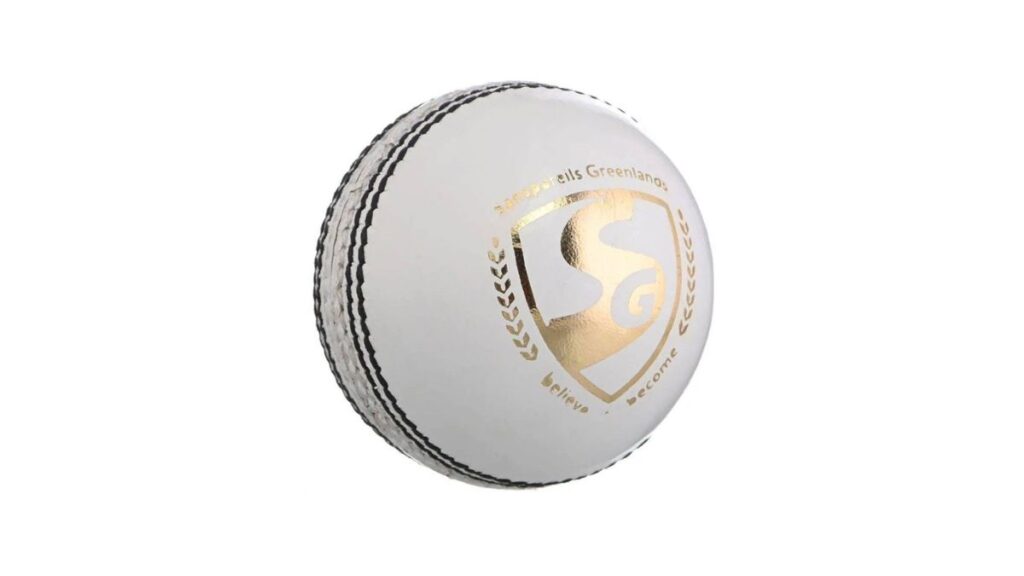
A cricket ball is a hard, solid sphere made of a cork core, tightly wound with string, and encased in a leather shell. It weighs between 155.9 to 163 grams and has a circumference of 22.4 to 22.9 cm, as per ICC regulations. The ball’s seam — a raised stitched area — plays a crucial role in swing and spin.
Uses of a Cricket Ball
- Bowling: Enables fast bowlers to generate pace, swing, and seam; spinners to extract turn and bounce.
- Fielding Practice: Used in drills for catching, throwing, and reflex training.
- Batting Practice: Helps batters improve timing, shot selection, and adaptability.
- Match Strategy: Condition of the ball (new vs old) influences tactics — swing with the new ball, reverse swing with the old.
- Psychological Edge: A shiny, well‑maintained ball can intimidate batters and boost bowler confidence.
Pro Tip: Always condition leather balls with oil to maintain shine and durability.
3. Helmet

A cricket helmet is a protective headgear designed to safeguard players from head and facial injuries caused by the cricket ball. It typically consists of:
- Outer Shell: Made of high‑impact resistant materials like polycarbonate or fiberglass.
- Inner Padding: Foam or shock‑absorbing material for comfort and impact reduction.
- Grill/Visor: A metallic faceguard that protects the face while allowing clear vision.
- Chin Strap: Ensures a snug, secure fit during play.
Uses of a Cricket Helmet
1. Head Protection
- Shields against fast deliveries, bouncers, and accidental top edges.
- Reduces risk of concussions and serious injuries.
2. Face & Jaw Safety
- The grill prevents direct impact on the nose, teeth, and jaw.
- Essential for batters, wicketkeepers (standing up to spinners), and close‑in fielders.
3. Boosting Confidence
- Knowing they’re protected, players can focus on technique instead of fear.
- Encourages batters to play bouncers and short balls more freely.
4. Wicketkeeping & Fielding
- Wicketkeepers use helmets when standing close to stumps against spinners.
- Short‑leg and silly‑point fielders wear helmets to guard against sharp deflections.
5. Compliance with Safety Standards
- Modern cricket laws mandate helmets in certain situations, especially for junior players.
- Ensures the game is played responsibly and safely.
Pro Tip: Ensure a snug fit — a loose helmet can be as dangerous as no helmet.
4. Batting Pads
Batting pads are protective leg guards worn by batters (and sometimes wicketkeepers) to protect the shins, knees, and lower thighs from impact. They are typically made of:
- Outer Layer: PU or leather for durability.
- Inner Padding: High‑density foam or cotton for shock absorption.
- Straps: Adjustable Velcro or buckles for a secure fit.
Uses of Batting Pads
1. Protection Against Fast Bowling
- Absorb the impact of high‑speed deliveries hitting the legs.
- Prevent serious injuries like fractures or deep bruises.
2. Confidence at the Crease
- With legs protected, batters can play short‑pitched deliveries and yorkers more freely.
- Reduces hesitation when facing aggressive bowling.
3. Support in Defensive Play
- Helps in blocking balls with the pad (leg‑before‑wicket scenarios).
- Provides stability when batters take their stance.
4. Comfort During Long Innings
- Lightweight modern pads reduce fatigue.
- Ergonomic designs allow better running between wickets.
5. Wicketkeeping & Close‑In Fielding
- Wicketkeepers standing up to spinners wear lighter pads.
- Short‑leg and silly‑point fielders sometimes use pads for extra protection.
Pro Tip: Pads should cover from ankle to above the knee without restricting movement.
5. Batting Gloves

Batting gloves are padded hand protectors worn by batters to safeguard fingers, palms, and wrists from the impact of the cricket ball. They are typically made of:
- Outer Layer: Leather or synthetic material for durability.
- Inner Padding: High‑density foam or cotton for shock absorption.
- Palm Surface: Textured leather or mesh for better grip.
- Velcro Strap: Ensures a snug, secure fit.
Uses of Batting Gloves
1. Hand & Finger Protection
- Absorb the shock of fast deliveries hitting the bat handle.
- Prevent fractures, bruises, and blisters.
2. Improved Grip
- Textured palms prevent the bat from slipping, even with sweaty hands.
- Essential for long innings in hot, humid conditions.
3. Shock Absorption
- Reduces vibration when the ball strikes the bat off‑center.
- Minimizes strain on wrists and fingers.
4. Confidence & Comfort
- A secure grip allows players to focus on shot selection.
- Boosts confidence against short‑pitched bowling.
5. Sweat Management
- Inner lining absorbs sweat, keeping hands dry.
- Prevents bat handle from becoming slippery.
Pro Tip: Look for gloves with extra padding on the lead hand (top hand).
6. Abdominal Guard (Box)

An abdominal guard is a hard, cup‑shaped protector made of high‑impact resistant plastic or composite material. It is worn inside a jockstrap or compression shorts to protect the groin and lower abdominal region from injury.
Uses of an Abdominal Guard
1. Protection Against High‑Speed Impact
- Shields sensitive areas from the force of fast deliveries.
- Prevents serious injuries that could end a player’s career.
2. Confidence at the Crease
- Knowing they’re protected, batters can focus on their shots without fear.
- Wicketkeepers and close‑in fielders can crouch closer with confidence.
3. Mandatory Safety Gear
- In professional cricket, abdominal guards are non‑negotiable for batters and keepers.
- Many academies and leagues make them compulsory for juniors as well.
4. Durability & Comfort
- Modern guards are lightweight, ergonomically designed, and padded for comfort.
- Some come with ventilation holes to reduce sweat and discomfort.
5. Multi‑Sport Use
- While essential in cricket, abdominal guards are also used in hockey, baseball, martial arts, and other contact sports.
Pro Tip: Always wear it, regardless of batting position — safety first.
7. Thigh Guard

A thigh guard is a padded protector worn on the upper leg (front thigh) of the leading leg while batting. It is strapped around the waist and thigh, often with Velcro or elastic straps.
Uses of Thigh Guard
- Protection from bouncers & inside edges: Prevents painful bruises or fractures when the ball strikes the thigh.
- Confidence booster: Allows batters to play short‑pitched deliveries without fear.
- Ergonomic comfort: Modern thigh guards are lightweight and molded to fit snugly under trousers.
- Dual guards: Some players use inner and outer thigh guards for complete coverage.
Pro Tip: Use lightweight, ergonomic guards that don’t restrict movement.
8. Arm Guard
An arm guard is a padded shield worn on the leading arm (usually the bottom hand’s forearm) to protect against rising deliveries.
Uses of Arm Guard
- Protection from short balls: Shields the forearm from bouncers and unexpected bounce.
- Reduces injury risk: Prevents fractures, swelling, and painful knocks.
- Confidence in stroke play: Encourages batters to face fast bowlers without hesitation.
- Lightweight design: Modern arm guards are slim and don’t restrict wrist movement.
Pro Tip: Use lightweight, ergonomic guards that don’t restrict movement.
9. Chest Guard
A chest guard is a padded protector worn under the shirt to shield the ribs, chest, and sometimes the shoulder. It is secured with straps around the torso.
Uses of Chest Guard
- Protection from bodyline bowling: Prevents serious injuries from short‑pitched balls aimed at the torso.
- Confidence against pace: Batters can stand tall against fast bowlers without fear of rib injuries.
- Comfortable fit: Modern chest guards are slim, lightweight, and breathable, making them easy to wear under jerseys.
- Mandatory for juniors: Many academies recommend chest guards for young players learning to face pace.
Pro Tip: Use lightweight, ergonomic guards that don’t restrict movement.
10. Cricket Shoes
Cricket shoes are specialized athletic footwear designed to provide grip, stability, and comfort on different pitch types. They are engineered to reduce injury risk, enhance agility, and support explosive movements like sprinting, sliding, and sudden stops.
Uses of Cricket Shoes
1. Traction & Grip
- Spiked shoes offer superior grip on turf and grassy pitches.
- Prevent slipping during fast bowling, quick singles, or fielding dives.
2. Shock Absorption & Comfort
- Cushioned midsoles reduce impact on knees and ankles.
- Essential for bowlers who land hard on delivery stride.
3. Role-Specific Support
- Batters: Need lightweight shoes with toe protection for quick footwork.
- Bowlers: Require reinforced heels and ankle support for stability.
- Fielders: Prefer all-round shoes with flexibility and grip.
4. Surface Adaptability
- Rubber-soled shoes are ideal for synthetic or concrete pitches.
- Hybrid shoes with removable spikes adapt to multiple surfaces.
5. Injury Prevention
- Proper arch support and ankle stability reduce the risk of sprains, blisters, and fatigue.
- Breathable materials prevent overheating and fungal infections.
Pro Tip: Bowlers should opt for shoes with extra ankle support.
11. Wicket‑Keeping Gear

Wicketkeeping is one of the most demanding roles in cricket — requiring lightning reflexes, unwavering focus, and fearless agility. To perform at their best and stay protected, wicketkeepers rely on a specialized set of gear designed for precision, safety, and mobility. From gloves that snatch edges to pads that cushion dives, wicket‑keeping gear is the unsung hero of every match.
Wicket‑Keeping Gear & Their Uses
1. Wicket‑Keeping Gloves
- Purpose: Catching fast deliveries, edges, and executing stumpings.
- Features:
- Large surface area with webbing between thumb and index finger.
- Padded palms and reinforced fingers for shock absorption.
- Textured grip for ball control.
- Use:
- Crucial for catching and controlling high-speed balls.
- Helps prevent finger injuries and missed chances.
2. Inner Gloves
- Purpose: Worn inside the main gloves for comfort and hygiene.
- Types:
- Cotton inner gloves (lightweight, breathable).
- Padded leather inner gloves (extra protection).
- Use:
- Absorbs sweat and reduces friction.
- Enhances grip and prevents blisters during long innings.
3. Wicket‑Keeping Pads
- Purpose: Protects knees and shins during crouching and diving.
- Features:
- Shorter and lighter than batting pads.
- Designed for quick lateral movement.
- Use:
- Allows keepers to stay agile behind the stumps.
- Reduces fatigue and injury risk during extended spells.
12. Clothing & Accessories

Cricket is a sport where comfort, mobility, and protection are key — and that’s where clothing and accessories play a vital role. From moisture-wicking jerseys to sun-shielding caps, every item worn on the field is designed to enhance performance, safety, and style. Whether you’re a batter, bowler, or fielder, the right gear helps you stay focused and agile throughout the match.
Clothing in Cricket & Uses
1. Cricket Jersey & Trousers
- Purpose: Lightweight, breathable apparel for match play.
- Features:
- Made from polyester or cotton blends.
- Moisture-wicking and quick-dry technology.
- Team branding and player numbers.
- Use:
- Keeps players cool and dry.
- Allows full range of motion for batting, bowling, and fielding.
2. Cricket Cap or Hat
- Purpose: Protects from sun and glare.
- Types:
- Baseball-style caps for limited-overs formats.
- Wide-brim hats for Test matches.
- Use:
- Improves visibility.
- Prevents sunburn and heatstroke during long innings.
3. Sweatbands & Wristbands
- Purpose: Absorbs sweat and improves grip.
- Use:
- Keeps hands dry for better bat control.
- Prevents sweat from dripping into eyes.
4. Sunglasses
- Purpose: Eye protection and enhanced visibility.
- Use:
- Helps fielders track high balls under bright sunlight.
- Reduces glare and eye strain.
5. Compression Wear (Undershirts, Tights)
- Purpose: Muscle support and recovery.
- Use:
- Improves blood circulation.
- Reduces fatigue and risk of injury.
Expert Tips for Choosing Cricket Equipment
- Prioritize safety: Never compromise on helmets, pads, or guards.
- Match your level: Beginners don’t need pro‑grade gear — start simple, upgrade later.
- Maintenance matters: Oil bats, clean gloves, and air out pads to extend life.
- Fit over brand: Comfort and fit are more important than flashy logos.
Quick Equipment Checklist
| Equipment | Purpose | Must‑Have For |
|---|---|---|
| Bat | Scoring runs | All players |
| Ball | Bowling & fielding | All formats |
| Helmet | Head protection | Batters, keepers |
| Pads & Gloves | Leg & hand protection | Batters |
| Guards | Safety for body parts | Batters |
| Shoes | Grip & stability | All players |
| Wicket‑keeping gear | Catching & protection | Keepers |
Also Read: What Is Cricket? Origin, Dimensions, Positions, History, Teams, Bats, Balls
Conclusion
Cricket equipment is not just about performance — it’s about confidence and safety on the field. From the iconic bat and ball to protective gear and footwear, every piece plays a vital role in shaping a player’s game. Whether you’re practicing in the nets or walking out in a competitive match, the right gear ensures you play with skill, comfort, and protection.


