

 by
by Cricket is a sport steeped in rich history and technical intricacies. One of the most fascinating aspects is the cricket ball itself—a small but powerful tool that can alter the course of a match. In this post, we’ll explore the various types of cricket balls used across formats, their history, construction differences, and the manufacturers behind them. Along the way, we’ve included images to illustrate key points and enrich your reading experience.
Contents
A Brief History of the Cricket Ball
The cricket ball has come a long way from its humble beginnings. In the early days of the sport, local craftsmen would handcraft balls from available materials. Over time, the need for consistency and performance drove manufacturers to refine the design, resulting in the modern, highly engineered cricket ball.
Key Historical Milestones:
- Hand-Stitched Beginnings: Early cricket balls were handmade using cowhide and simple stitching methods.
- Standardization: As cricket became a professional sport, governing bodies introduced specifications ensuring uniformity in size, weight, and behavior.
- Technological Advances: Modern cricket balls are made with precision-engineered cores, specially selected leathers, and meticulous stitching—all designed to optimize seam movement, swing, and durability.
The Primary Types by Color: Red, White, and Pink
Cricket balls differ widely by color and purpose. Each color is tailored to the specific needs of various match formats and playing conditions.
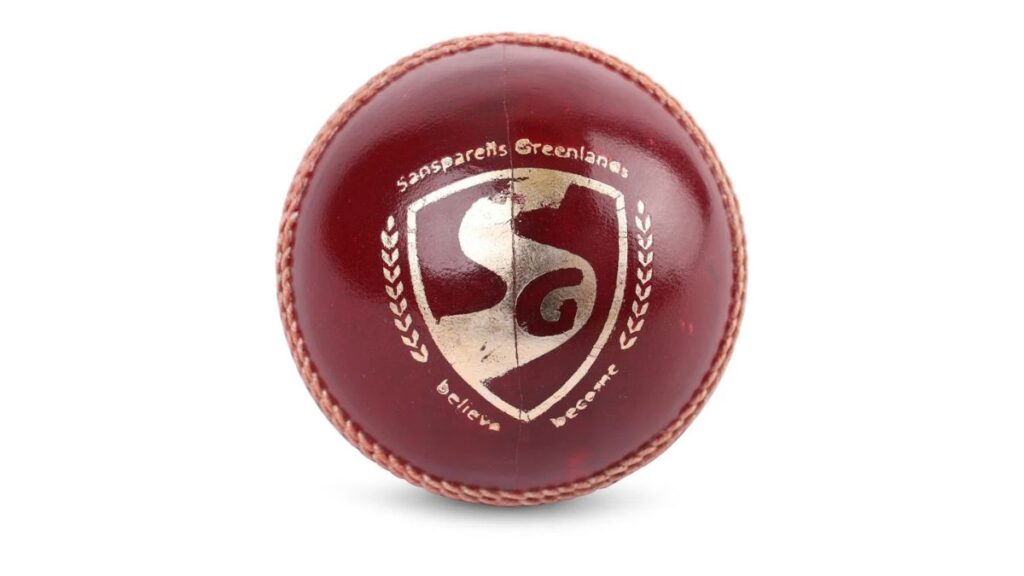
1. The Red Cricket Ball
Used in: Test matches and first-class cricket.
Characteristics:
- Construction: Made from high-quality leather with a prominent, hand-stitched seam.
- Appearance: A deep, traditional red that fades subtly with wear.
- Performance: The red ball is known for its ability to swing and seam. Over a multi-day match, wear and tear can result in significant variations in behavior, adding tactical depth for bowlers and batsmen alike.
2. The White Cricket Ball
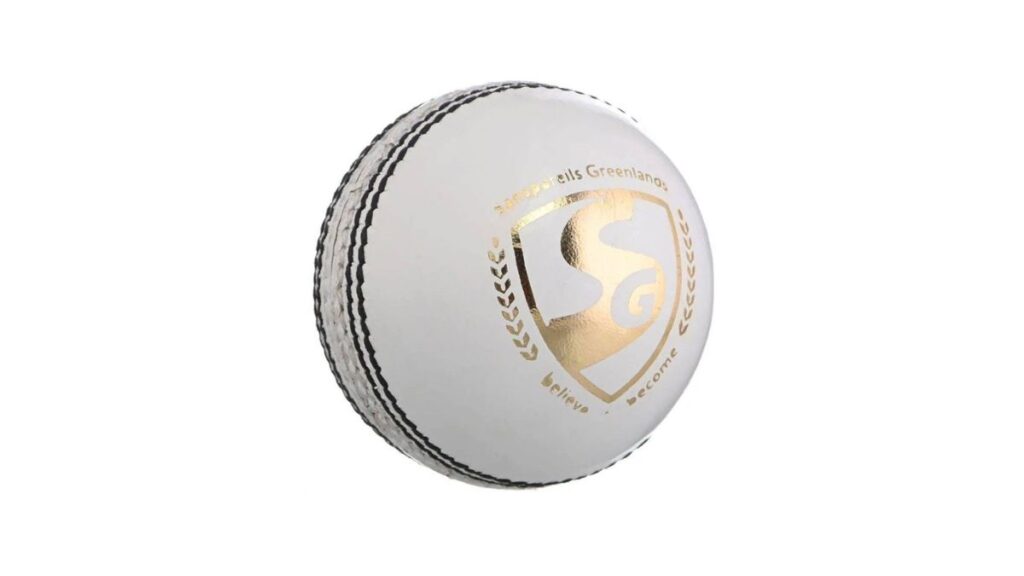
Used in: One Day Internationals (ODIs) and T20 matches.
Characteristics:
- Construction: Similar to the red ball but often treated with a synthetic polish.
- Appearance: Bright and highly visible under floodlights, making it ideal for limited-overs cricket.
- Performance: Designed to perform consistently in shorter, high-intensity matches. Though it has a less pronounced seam than its red counterpart, the white ball still offers exciting variations in swing, especially in overcast conditions.
3. The Pink Cricket Ball
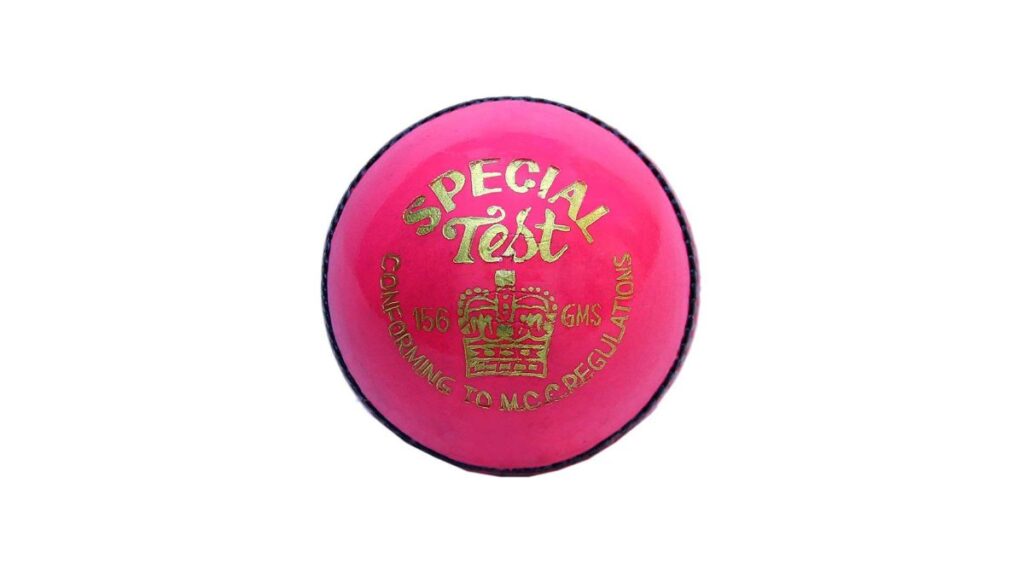
Used in: Day-night Test matches.
Characteristics:
- Construction: Manufactured similarly to the red ball with additional surface treatment.
- Appearance: The distinct pink hue enhances visibility both in natural daylight and under artificial lighting.
- Performance: Created to mimic the swing and seam properties of the red ball in day-night conditions, ensuring that the game remains balanced as it transitions from day to night.
Beyond Colors: Additional Varieties of Cricket Balls
While the red, white, and pink balls dominate international cricket, there are several other types designed for different purposes and levels of play.
4. Match Balls
Used in: Professional matches across all formats.
Details:
- Premium Quality: These are high-quality balls made to strict specifications.
- Uniformity: Ensured by manufacturers like Dukes (favored in England), Kookaburra (common in Australia and South Africa), and SG (popular in India).
- Behavior: Differ in seam prominence, swing, and durability based on the manufacturing techniques and materials used.
5. Practice or Training Cricket Balls
Used in: Net sessions and practice drills.
Details:
- Durability Over Performance: Constructed for longevity rather than peak performance.
- Cost-Effective: Often made with synthetic materials or less premium leather, yet they mimic the conditions of a match ball.
- Purpose: Allow players to practice their bowling and batting techniques without the high costs associated with match-quality balls.
6. Recreational and Backyard Cricket Balls
Used in: Informal, friendly games or training sessions.
Details:
- Safety and Accessibility: Constructed from softer materials such as foam or rubber.
- Casual Play: Designed to minimize injury risk and provide a fun experience for players of all ages and skill levels.
- Variety: These balls can be found in various bright colors, making them appealing and safe for children.
The Role of Manufacturers in Ball Differentiation
Different countries and regions pride themselves on unique ball manufacturing traditions:
- Dukes (England): Known for producing red balls with a pronounced seam ideal for swing and seam movement in Test cricket.
- Kookaburra (Australia): Produces balls that are more uniform and have a distinct seam profile, often used in limited-overs cricket.
- SG (India): Uses local craftsmanship to produce balls that cope with subcontinental conditions, emphasizing durability and seam behavior.
Each manufacturer’s unique techniques not only affect the ball’s behavior on the field but also introduce subtle strategic elements into the game.
The Science and Art of the Cricket Ball
Understanding the cricket ball isn’t just about its appearance—it’s about the science behind its construction and its impact on the game.
Key Elements:
- Leather Quality: Dictates durability, grip, and how well the ball responds to external conditions (like moisture and wear).
- Seam Construction: The hand-stitched seam is critical for bowlers, as it provides the necessary leverage to produce swing and seam movement.
- Surface Treatment (Polish): Players and groundskeepers often apply substances to one side of the ball to enhance its asymmetry, thereby influencing the trajectory during a bowling spell.
The interplay of these factors makes the cricket ball not only a piece of sporting equipment but also a subject of continuous study for players, coaches, and enthusiasts alike.
Also Read: What is DRS in Cricket? The Controversial Tech Changing the Game!
Conclusion
Cricket balls are far more than just a ball thrown around a field—they embody centuries of tradition, precise engineering, and the evolving art of cricket. Whether it’s the red ball that dominates Test matches, the white ball that lights up limited-overs cricket, or the pink ball crafted for the novelty of day-night Tests, each type brings its own flavor and challenges to the game.
Additionally, practice balls and recreational balls play a crucial role in nurturing new talent at the grassroots level, ensuring that the spirit of cricket is passed on from generation to generation. With manufacturers like Dukes, Kookaburra, and SG leading the way, the subtle differences in cricket ball construction add layers of strategy that make cricket the deeply nuanced sport it is.
We hope this comprehensive guide—with its historical insights, technical breakdowns, and illustrative images—provides a deeper appreciation of the humble cricket ball and its pivotal role in the world’s most beloved bat-and-ball game.
What type of cricket ball do you find the most fascinating? Have you noticed differences in the way they behave on the field? Share your thoughts and experiences in the comments below and join the conversation on the remarkable world of cricket balls!


