by
by Cricket is a bat-and-ball game that has captured the hearts of millions around the globe. Known for its rich history, strategic depth, and fervent fan base, cricket is more than just a sport; it is a cultural phenomenon in many countries. This article delves into cricket’s origins, rules, formats, and global impact.
Contents
- 1 Origins & History
- 2 Cricket Field Dimensions, Positions & Marking
- 2.1 Layout & Dimensions
- 2.2 Field Markings and Zones
- 2.3 Fielding Positions
- 2.4 Additional Features
- 2.5 Methods of Dismissal
- 2.5.1 1. Bowled
- 2.5.2 2. Caught
- 2.5.3 3. Leg Before Wicket (LBW)
- 2.5.4 4. Run Out
- 2.5.5 5. Stumped
- 2.5.6 6. Hit Wicket
- 2.5.7 7. Obstructing the Field
- 2.5.8 8. Handled the Ball (Now a part of Obstructing the Field)
- 2.5.9 9. Hit the Ball Twice
- 2.5.10 10. Timed Out
- 2.5.11 11. Retired Out
- 2.5.12 12. Mankaded (Run Out at Non-Striker’s End)
- 2.6 Summary of Dismissal Methods:
- 3 DRS
- 4 Types of Balls Used | How Many Types of Cricket Balls Are There
- 5 Types of Cricket Bats
- 6 Men’s and Women’s International Cricket Teams
- 7 Dress
- 8 Conclusion
Origins & History
Cricket’s origins date back to the 16th century in England. The game evolved over centuries, with the earliest definite reference to cricket being played in the 1600s. By the 18th century, cricket had become a major sport in England. The Marylebone Cricket Club (MCC), founded in 1787, became the sport’s custodian, codifying the game’s laws.
Cricket Field Dimensions, Positions & Marking
Certainly! The cricket field, or the pitch or ground, is a vital game aspect. Here’s an overview of its key features:
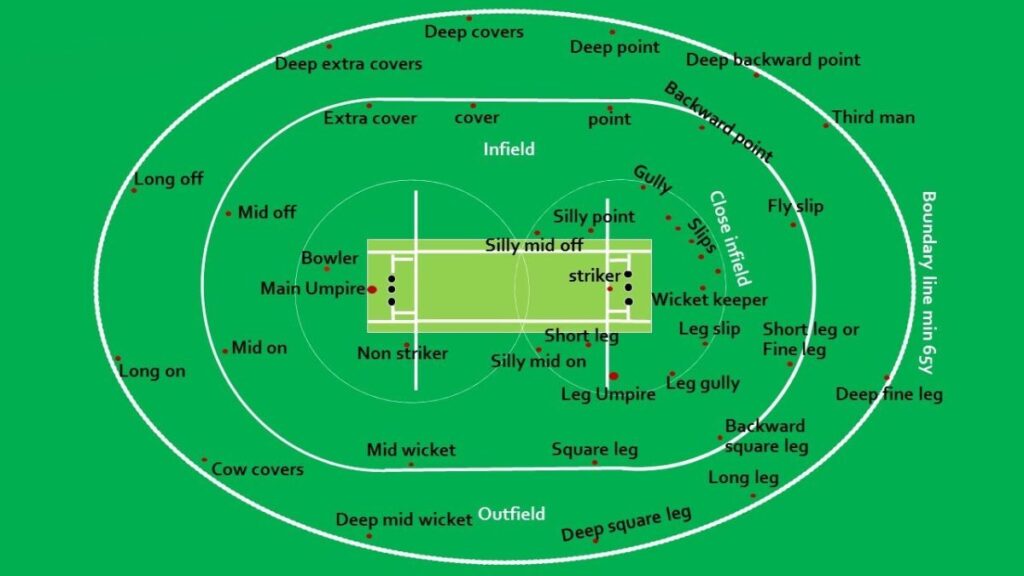
Layout & Dimensions
- The Pitch:
- At the heart of the cricket field is the pitch, a rectangular area 22 yards (20.12 meters) in ength and 10 feet (3.05 meters) in width. It is where the bowler delivers the ball to the batsman.
- The pitch is marked with creases, including the popping, bowling, and return creases. These lines help determine no-balls, dismissals, and other aspects of play.
- The Wicket:
- At each end of the pitch are three vertical stumps topped by two bails, collectively known as the wicket. The bowler aims to hit the stumps to get the batsman out.
Field Markings and Zones
- The 30-Yard Circle:
- A circle with a 30-yard radius from the center of each wicket. It divides the field into an inner and outer area, influencing field placement and restrictions in limited-overs cricket.
- Boundary:
- The outer edge of the playing area, usually marked by a rope or fence. The boundary varies in size depending on the ground but is typically between 65 and 90 meters from the pitch.
Fielding Positions
The cricket field is divided into different fielding positions, which can vary based on the bowler’s style and the batsman’s preferences. Here are some key positions:
- Slip: Close to the wicket on the off side, waiting for edges.
- Gully: Between slip and point, ready for fast, low edges.
- Point: On the off side, square of the wicket.
- Cover: Slightly ahead of point on the off side.
- Mid-Off and Mid-On: Close to the bowler on either side of the wicket.
- Mid-Wicket: On the leg side, between square leg and mid-on.
- Square Leg: On the leg side, square of the wicket.
- Fine Leg: Behind the batsman on the leg side.
Additional Features
- Sight Screens: Large white or black screens placed at both ends of the ground to help the batsman see the ball clearly against the background.
- Practice Nets and Pavilions: Areas for players to warm up and prepare before and during the match.
The cricket field is meticulously maintained to ensure a fair contest between bat and ball. Its layout and dimensions play a significant role in the strategies employed by teams. If you have any specific questions or want to dive deeper into a particular aspect, just let me know! 🏏
Methods of Dismissal
There are several ways a batsman can be dismissed, each with its own set of conditions and rules. Understanding these methods is key to appreciating the strategic depth and complexity of the game. Here’s a detailed overview of the primary methods of dismissal:
1. Bowled
Description: The bowler successfully hits the stumps with the ball, dislodging at least one bail.
- Key Point: The ball must hit the stumps directly from the bowler’s delivery.
2. Caught
Description: The batsman hits the ball with their bat or glove, and a fielder catches it before it touches the ground.
- Key Point: The catch must be clean, with the fielder having complete control over the ball.
3. Leg Before Wicket (LBW)
Description: The ball strikes the batsman’s leg or body (not the bat or glove) and, in the umpire’s judgment, would have hit the stumps.
- Key Conditions:
- The ball must pitch in line with the stumps or on the off side.
- The impact must be in line with the stumps or outside the off-stump, provided the batsman isn’t offering a shot.
4. Run Out
Description: A fielder hits the stumps with the ball while the batsmen are running between wickets, and the batsman is out of the crease.
- Key Point: The batsman must be out of their ground when the stumps are broken.
5. Stumped
Description: The wicketkeeper removes the bails while the batsman is out of the crease and not attempting a run.
- Key Point: Usually occurs when the batsman advances down the pitch and misses the ball.
6. Hit Wicket
Description: The batsman dislodges the bails with their bat, body, or clothing after the bowler has delivered the ball.
- Key Point: Can happen when the batsman steps back to play a shot or loses balance.
7. Obstructing the Field
Description: The batsman deliberately interferes with the fielding side, preventing them from executing a run out or catch.
- Key Point: The interference must be intentional.
8. Handled the Ball (Now a part of Obstructing the Field)
Description: Previously a separate dismissal, now incorporated into Obstructing the Field if the batsman uses a hand not holding the bat to return the ball to a fielder without permission.
9. Hit the Ball Twice
Description: The batsman strikes the ball twice, except to prevent it from hitting the stumps.
- Key Point: The second strike must not be for the purpose of scoring runs.
10. Timed Out
Description: The next batsman takes longer than three minutes to appear on the field after the fall of a wicket.
- Key Point: Rare in professional cricket, as players are usually prompt.
11. Retired Out
Description: A batsman retires without the umpire’s consent (not due to injury) and does not resume their innings.
- Key Point: Voluntary retirement for reasons other than injury or illness.
12. Mankaded (Run Out at Non-Striker’s End)
Description: The bowler removes the bails at the non-striker’s end before delivering the ball, if the non-striker is out of their crease.
- Key Point: Often debated, but within the laws if done before the delivery stride.
Summary of Dismissal Methods:
| Method | Description |
|---|---|
| Bowled | Ball hits stumps directly from bowler’s delivery |
| Caught | Fielder catches ball hit by batsman before it touches the ground |
| LBW | Ball strikes leg/body and would have hit stumps |
| Run Out | Fielder hits stumps while batsmen are running and out of crease |
| Stumped | Wicketkeeper removes bails while batsman is out of crease |
| Hit Wicket | Batsman dislodges bails with bat, body, or clothing |
| Obstructing Field | Batsman deliberately interferes with fielding side |
| Handled the Ball | Batsman uses hand to return ball to fielder without permission (now part of Obstructing) |
| Hit the Ball Twice | Batsman strikes ball twice, except to protect stumps |
| Timed Out | Next batsman takes longer than three minutes to appear on the field |
| Retired Out | Batsman retires without umpire’s consent and does not resume innings |
| Mankaded | Bowler removes bails at non-striker’s end before delivering the ball |
These methods of dismissal contribute to the strategic depth and excitement of cricket, making every ball a potential turning point in the game. If you have any specific questions or need further details, feel free to ask! 🏏
DRS
The Decision Review System (DRS) in cricket is a technology-based process used to assist umpires in making decisions on the field. It aims to ensure the accuracy and fairness of crucial decisions, such as dismissals.
Formats of Cricket
Cricket is played in several formats, each with unique rules and characteristics:
1. Test Cricket:
- The longest format is played over five days with unlimited overs.
- Each team plays two innings, and the match is won by the team with the highest aggregate runs.
- Known for its strategic depth and rigorous challenges.
2. One Day International (ODI):
- Limited to 50 overs per side.
- Played over a single day.
- Faster-paced than Test cricket and often features more aggressive batting.
3. Twenty20 (T20):
- Each team plays 20 overs.
- The shortest and most explosive format.
- Designed for entertainment, with rapid scoring and shorter match duration.
Types of Balls Used | How Many Types of Cricket Balls Are There
Cricket balls come in various types, each designed for specific formats and conditions of the game. The choice of ball can significantly influence the dynamics of play. Here’s a detailed overview of the different types of cricket balls:
1. Red Ball
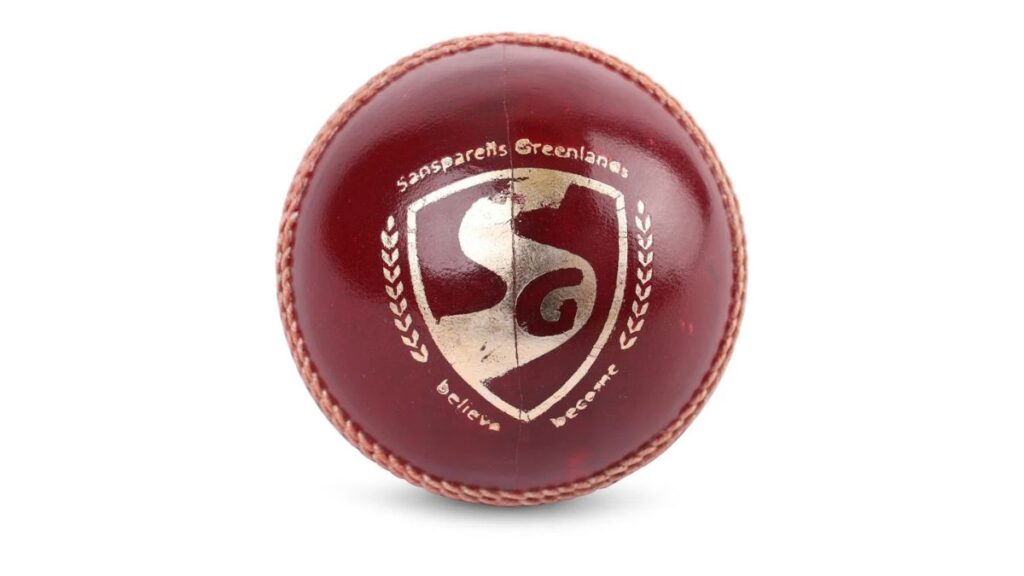
Usage: Primarily used in Test matches and first-class cricket.
- Characteristics: Made of high-quality leather with a pronounced seam. It is traditionally dyed red and offers good visibility against the white clothing in Test matches.
- Behavior: Known for its durability, the red ball tends to swing more in overcast conditions and retains its shape and hardness for longer durations, which is ideal for the extended format of the game.
2. White Ball
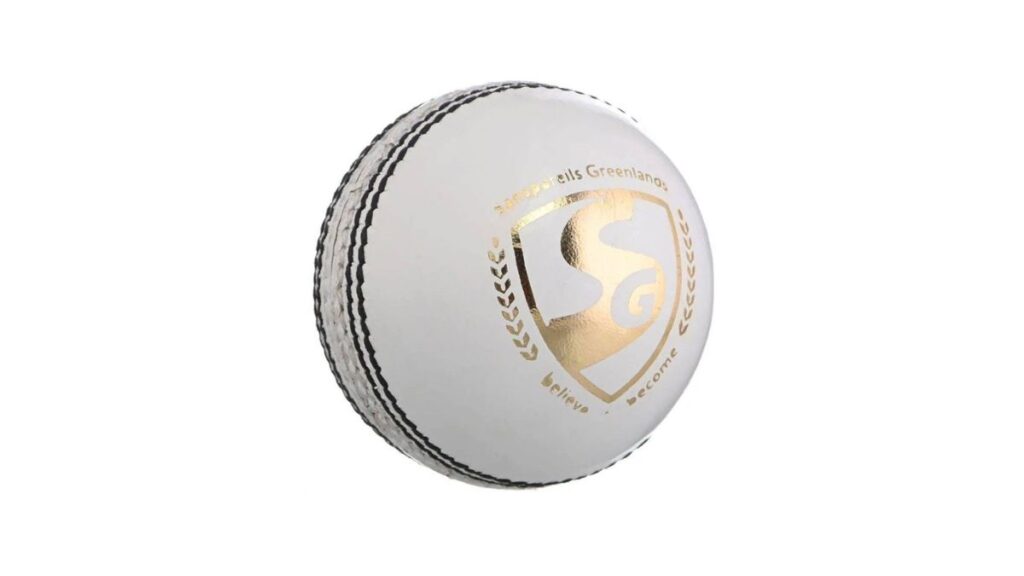
Usage: Used in One Day Internationals (ODIs) and Twenty20 (T20) matches.
- Characteristics: Similar in construction to the red ball but dyed white for better visibility under artificial lights and against colored clothing.
- Behavior: The white ball typically swings less than the red ball and tends to wear out more quickly. It is also prone to discoloration and requires regular cleaning during matches.
3. Pink Ball
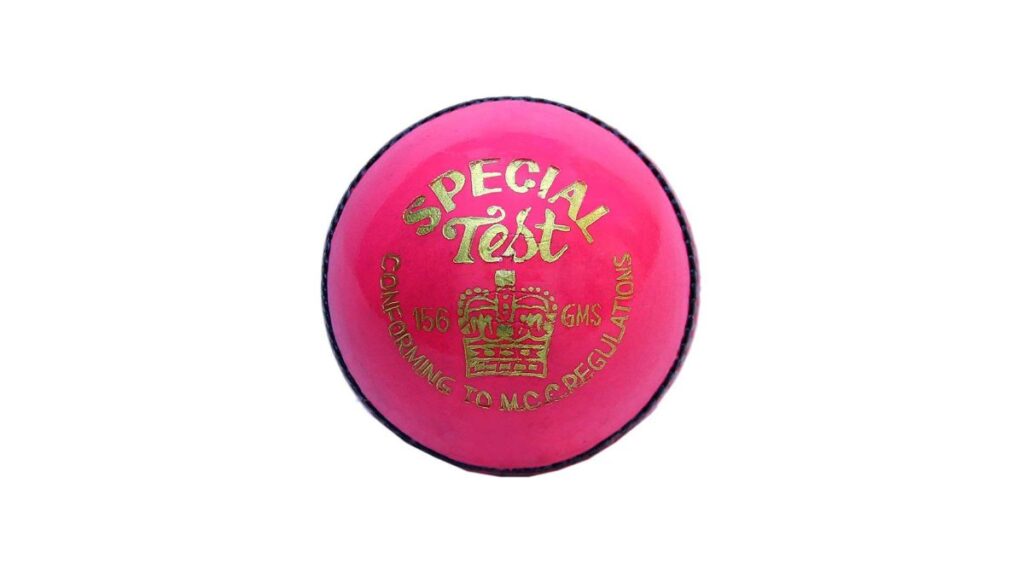
Usage: Used in day-night Test matches.
- Characteristics: Constructed similarly to the red and white balls but dyed pink to ensure visibility under floodlights and in varying light conditions.
- Behavior: The pink ball is designed to retain its color and visibility throughout the duration of the match. It offers a compromise between the durability of the red ball and the visibility of the white ball. It also tends to swing more than the white ball.
4. Practice Balls
Types:
- Synthetic Balls: Used for practice sessions, made of synthetic materials instead of leather. They are more durable and cheaper.
- Rubber Balls: Often used for casual play and practice, especially for young players and in environments where a harder ball might be dangerous.
- Tennis Balls: Sometimes used in practice, particularly with a taped cover to simulate the bounce and behavior of a leather ball.
5. Indoor Cricket Balls
Usage: Used in indoor cricket.
- Characteristics: Softer and lighter than traditional cricket balls to suit the indoor playing environment. They are designed to reduce the risk of injury and damage to indoor facilities.
Construction of Cricket Balls
- Core:
- Made of cork, sometimes mixed with rubber, providing the ball with its bounce and firmness.
- Layers:
- Wrapped in tightly wound string to maintain shape and add durability.
- Cover:
- The outer layer is made of high-quality leather, dyed according to the type of ball (red, white, or pink).
- Seam:
- A prominent seam is stitched around the circumference of the ball, aiding bowlers in grip and swing.
Types of Cricket Bats
Cricket bats come in various shapes, sizes, and materials to suit different playing styles and preferences. Here are the main types of cricket bats:
1. English Willow Bats
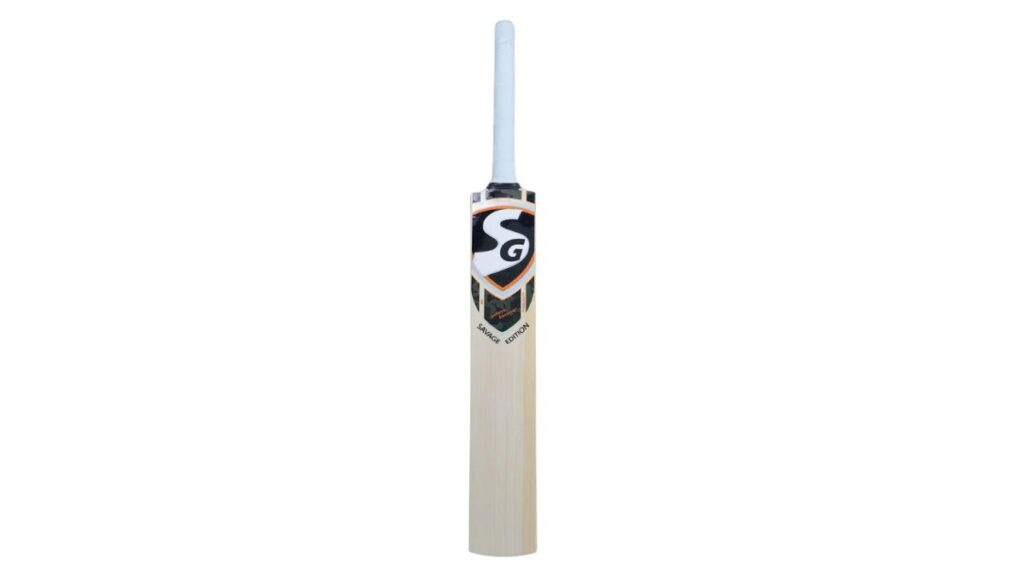
- Material: Made from English willow, known for its superior quality and performance.
- Usage: Preferred by professional and serious amateur players.
- Characteristics: Lightweight, excellent grain structure, high rebound, and longer lifespan.
2. Kashmir Willow Bats
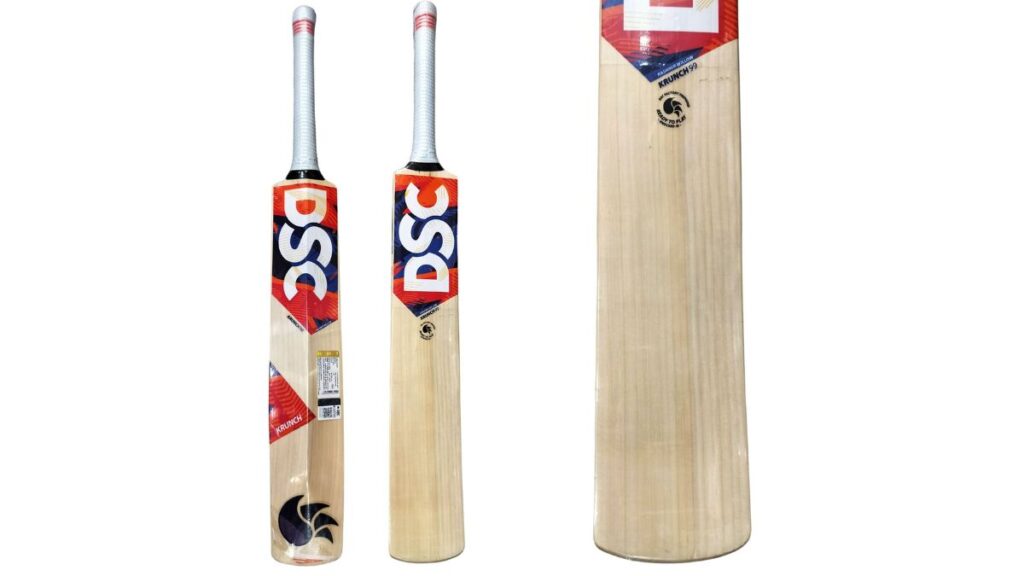
- Material: Made from Kashmir willow, which is denser and less expensive than English willow.
- Usage: Ideal for beginners and recreational players.
- Characteristics: Heavier than English willow, more durable but with lower performance.
3. Hybrid Bats
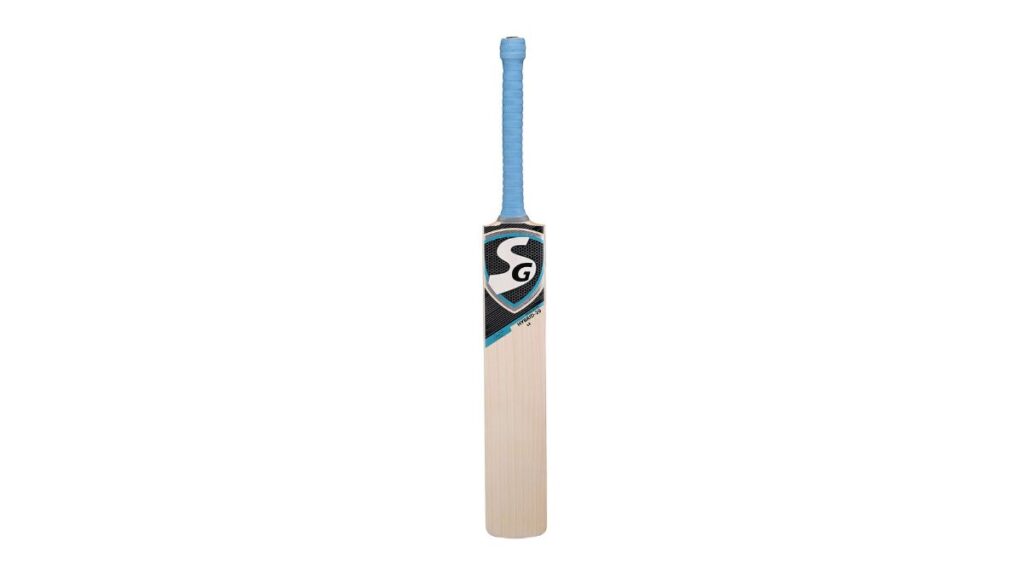
- Material: Combination of English and Kashmir willow.
- Usage: Suitable for intermediate players looking for a balance between performance and cost.
- Characteristics: Offers a compromise between weight, performance, and durability.
4. Softball Bats
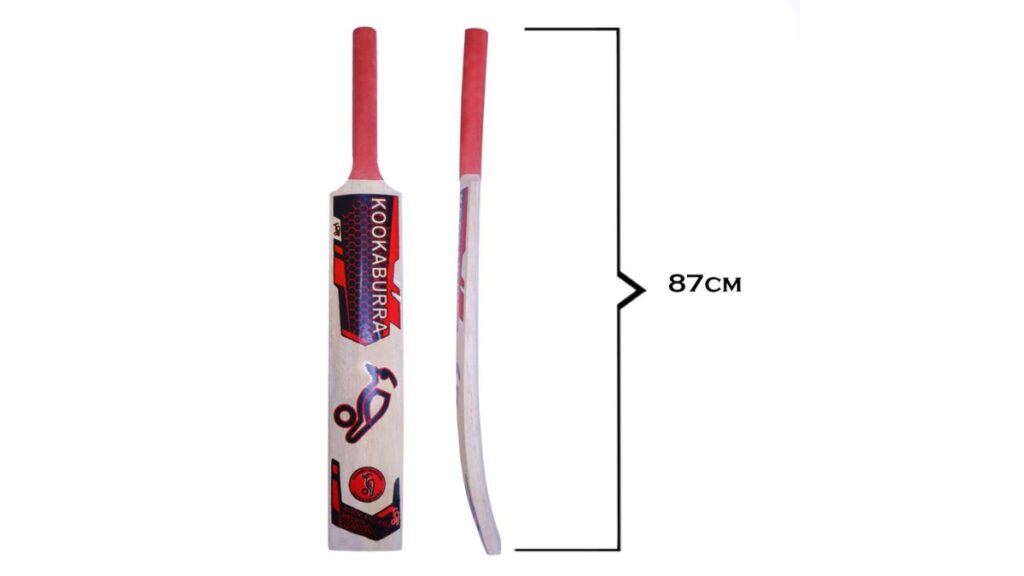
- Material: Typically made from composite materials or low-grade willow.
- Usage: Designed for softball or tennis ball cricket.
- Characteristics: Lightweight, more affordable, and not suitable for hard cricket balls.
5. Custom-Made Bats
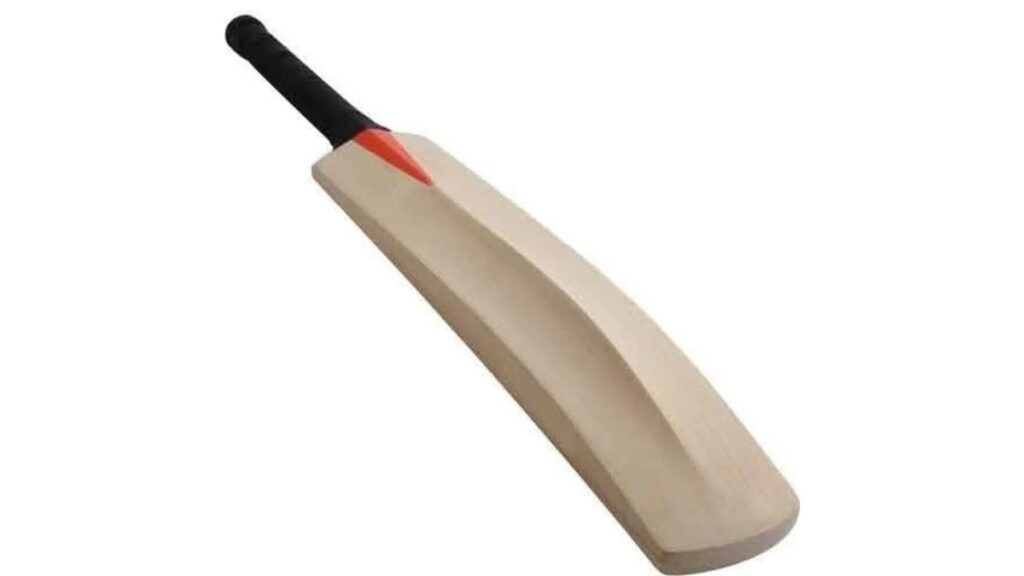
- Material: Varies based on player specifications.
- Usage: Tailored to individual player needs, often used by professional cricketers.
- Characteristics: Personalized weight, balance, and handle type for optimum performance.
6. Junior Bats

- Material: Available in both English and Kashmir willow.
- Usage: Designed for young players.
- Characteristics: Smaller sizes, lighter weight, and appropriate for the physical capabilities of children.
7. Training Bats

- Material: Made from durable materials to withstand rigorous practice sessions.
- Usage: Used for training and improving skills.
- Characteristics: Heavier and shorter to enhance strength and technique.
Factors to Consider When Choosing a Cricket Bat:
- Weight: Heavier bats offer more power, while lighter bats provide better control and maneuverability.
- Grain Structure: Finer grains indicate a higher quality willow, typically seen in English willow bats.
- Balance: The distribution of weight along the bat affects performance; some bats are bottom-heavy while others are evenly balanced.
- Handle: Available in different shapes (round, oval) and sizes, depending on grip preference.
- Size: Bats come in various sizes; it’s essential to choose one that suits the player’s height and reach.
Choosing the right cricket bat can significantly impact a player’s performance and enjoyment of the game. Whether you’re a beginner or an experienced cricketer, understanding the different types of bats can help you make an informed decision. 🏏
Is there a specific type of cricket bat you were thinking about?
Men’s and Women’s International Cricket Teams
The International Cricket Council (ICC) governs both men’s and women’s international cricket. Here is a detailed overview of the various teams and their respective cricket boards:
Men’s International Cricket Teams
| Team | Cricket Board |
|---|---|
| Australia | Cricket Australia |
| Bangladesh | Bangladesh Cricket Board (BCB) |
| England | England and Wales Cricket Board (ECB) |
| India | Board of Control for Cricket in India (BCCI) |
| Ireland | Cricket Ireland |
| New Zealand | New Zealand Cricket |
| Pakistan | Pakistan Cricket Board (PCB) |
| South Africa | Cricket South Africa (CSA) |
| Sri Lanka | Sri Lanka Cricket (SLC) |
| West Indies | Cricket West Indies (CWI) |
| Zimbabwe | Zimbabwe Cricket (ZC) |
| Afghanistan | Afghanistan Cricket Board (ACB) |
Women’s International Cricket Teams
| Team | Cricket Board |
|---|---|
| Australia | Cricket Australia |
| Bangladesh | Bangladesh Cricket Board (BCB) |
| England | England and Wales Cricket Board (ECB) |
| India | Board of Control for Cricket in India (BCCI) |
| Ireland | Cricket Ireland |
| New Zealand | New Zealand Cricket |
| Pakistan | Pakistan Cricket Board (PCB) |
| South Africa | Cricket South Africa (CSA) |
| Sri Lanka | Sri Lanka Cricket (SLC) |
| West Indies | Cricket West Indies (CWI) |
| Zimbabwe | Zimbabwe Cricket (ZC) |
Influence on the Game
- Swing and Seam Movement:
- The type of ball affects how much it will swing and seam. Red and pink balls tend to swing more due to their pronounced seams and the conditions they are used in.
- Durability:
- The longevity of the ball affects gameplay, particularly in Test matches where the condition of the ball changes significantly over time.
- Visibility:
- The color of the ball is crucial for visibility under various lighting conditions, influencing the choice between red, white, and pink balls.
Cricket balls play a crucial role in the dynamics of the game, and understanding their types and characteristics can deepen one’s appreciation of the sport. Whether it’s the endurance of the red ball in a Test match, the visibility of the white ball in a high-paced T20, or the innovation of the pink ball in day-night Tests, each type brings its unique challenges and excitement to the game. 🏏
Global Impact and Popularity
Cricket’s popularity extends far beyond England, with a massive following in countries like India, Australia, Pakistan, South Africa, and the West Indies. The International Cricket Council (ICC) is the global governing body responsible for organizing international competitions such as the ICC Cricket World Cup, ICC T20 World Cup, and ICC Champions Trophy.
1. Cultural Significance:
- In countries like India, cricket is akin to a religion, uniting people from diverse backgrounds.
- Historic rivalries, like India vs. Pakistan, are highly anticipated and draw massive viewership.
2. Economic Impact:
- Cricket generates significant revenue through broadcasting rights, sponsorships, and merchandise sales.
- Major tournaments and leagues, such as the Indian Premier League (IPL), attract top players and substantial investment.
3. Women’s Cricket:
- Women’s cricket has seen substantial growth, with increased visibility and investment.
- Competitions like the ICC Women’s World Cup have showcased the talent and skill of female cricketers globally.
Equipment
Cricket, often hailed as a gentleman’s game, requires a variety of equipment to ensure players can perform at their best while maintaining safety. Here’s a breakdown of the essential cricket equipment:
Batting Equipment
- Cricket Bat: A flat-fronted willow blade used by batsmen to hit the ball.
- Batting Pads: Protective gear worn on the legs to shield against the impact of the ball.
- Batting Gloves: Gloves that protect the hands and fingers while providing grip on the bat handle.
- Helmet: A hard protective headgear with a faceguard to protect against high-speed deliveries.
- Thigh Guard, Chest Guard, and Arm Guard: Additional protective gear worn under the clothing to protect various parts of the body.
- Abdominal Guard (Box): A crucial piece of protection for male players to shield the groin area.
Bowling Equipment
- Cricket Ball: A hard, leather-covered ball with a raised seam. It can be red (used in Test matches) or white (used in limited-overs matches).
- Bowling Shoes: Shoes with spikes or studs to provide grip on the pitch, aiding bowlers in their run-up and delivery.
Fielding Equipment
- Fielding Gloves: Worn by wicketkeepers to catch the ball safely. These gloves have extra padding and webbing between the fingers.
- Helmet: Sometimes worn by close-in fielders for protection against fast-moving balls.
- Shin Pads: Worn by wicketkeepers and close-in fielders for additional leg protection.
Miscellaneous Equipment
- Cricket Stumps and Bails: Three vertical stumps with two horizontal bails placed on top, forming the wickets at either end of the pitch.
- Scoreboard and Scorer’s Tools: Tools used to keep track of runs, wickets, and other match statistics.
- Cricket Clothing: Includes a shirt, trousers, jumper (sweater), and often a cap or hat. The traditional color is white for Test matches, while colored clothing is worn in limited-overs formats.
Maintenance and Training Equipment
- Net and Bowling Machine: Used during practice sessions to simulate various types of deliveries.
- Cricket Roller: A heavy roller used to flatten and maintain the pitch.
- Bat Mallet: A tool used to “knock-in” a new bat, making it match-ready.
These pieces of equipment are crucial for the game, ensuring players can perform effectively and safely. Is there a specific piece of equipment you’d like to know more about? 🏏
Dress
Cricket attire varies across different formats of the game, each with its unique style and regulations. Let’s explore the distinct types of cricket dress for various formats:
Test Matches
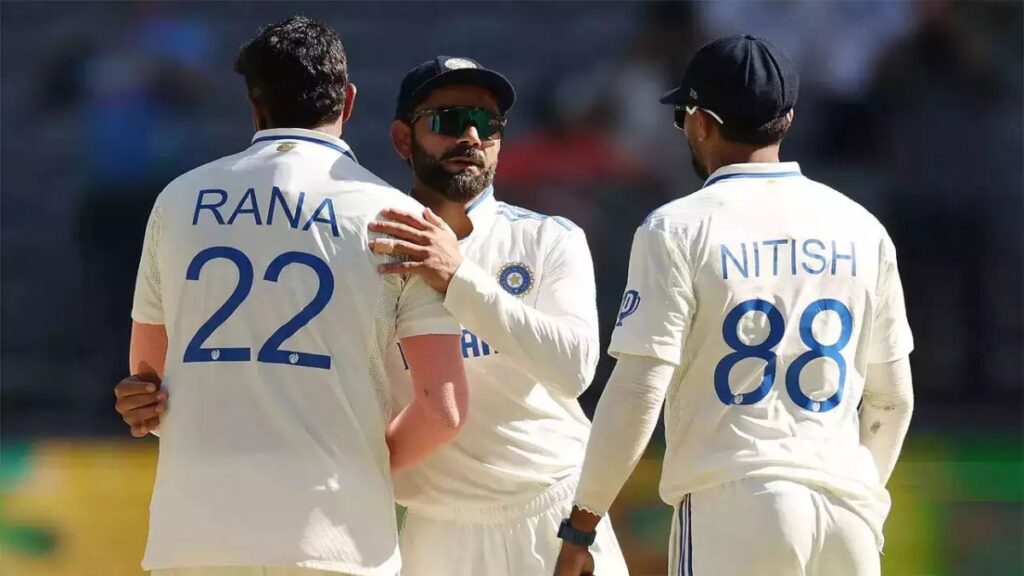
- Traditional Whites:
- Players wear all-white clothing, which includes a white shirt, trousers, and occasionally a sweater (jumper).
- The shirt is usually long-sleeved, and the trousers are loose-fitting to provide comfort during long periods of play.
- Caps or floppy hats are commonly worn for sun protection.
- Spikes or studded shoes are worn to provide grip on the field.
One-Day Internationals (ODIs)
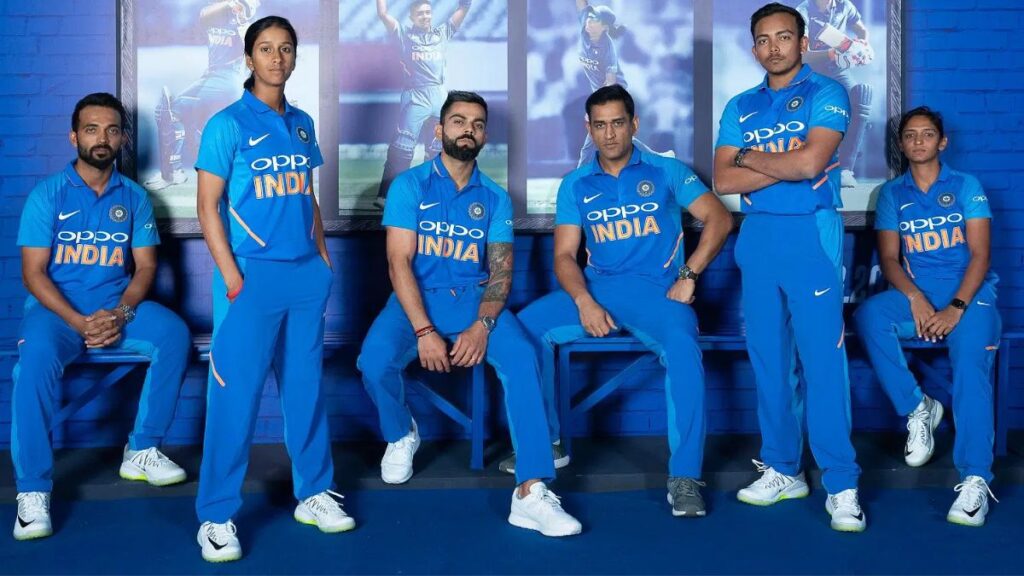
- Colored Clothing:
- Players wear colored uniforms that represent their team or country. The colors are vibrant and distinct to differentiate between teams.
- The shirt features the team’s logo, player names, and numbers on the back.
- Trousers match the shirt color and are designed for flexibility and movement.
- Caps or helmets with the team colors are worn.
- Shoes may have colored accents to match the team’s uniform.
Twenty20 (T20) Matches
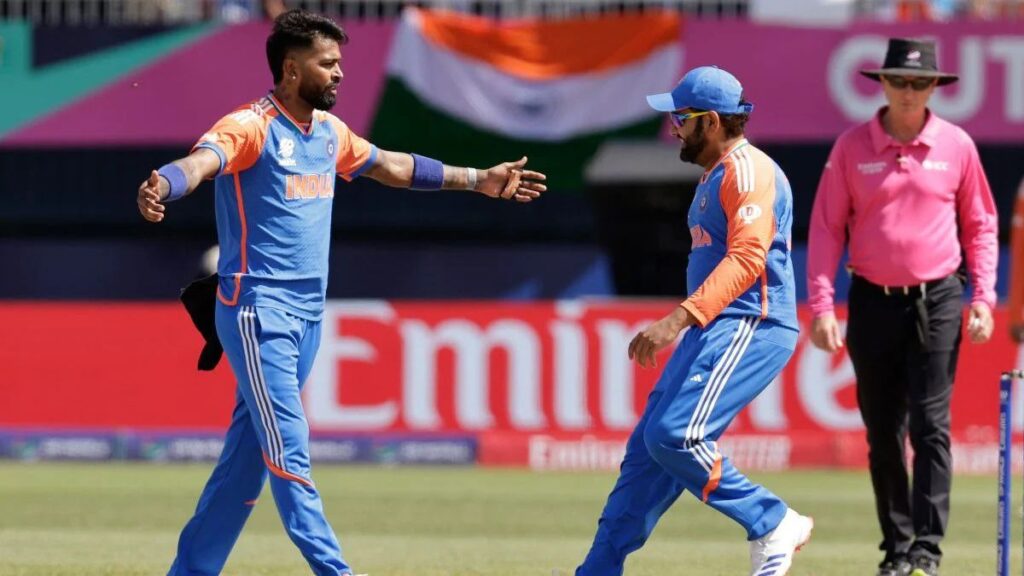
- Dynamic and Stylish Kits:
- The clothing is similar to ODIs but often features more striking and modern designs to appeal to a younger audience.
- Jerseys may include additional patterns, graphics, or sponsor logos.
- Trousers are lightweight and designed for agility and speed.
- Caps, helmets, and shoes are coordinated with the team’s colors and design.
First-Class and Domestic Matches
- Varied Uniforms:
- First-class matches typically feature white clothing similar to Test matches.
- Domestic limited-overs competitions have colored kits resembling ODIs and T20s, with regional or franchise logos.
- Uniforms are often customized with local sponsors and player names.
Other Considerations
- Protective Gear:
- Regardless of the format, players wear protective gear such as helmets, pads, gloves, and abdominal guards.
- The design and color of protective gear are coordinated with the uniform for a cohesive look.
- Special Editions and Themes:
- Teams may occasionally wear special edition kits to commemorate events, anniversaries, or causes. For example, pink kits for breast cancer awareness matches.
Accessories
- Sweatbands and Arm Sleeves:
- Players often wear sweatbands, arm sleeves, and wristbands for comfort and performance.
- Sunglasses:
- Worn for eye protection and enhanced visibility in bright conditions.
Cricket attire not only provides functionality and protection but also represents team identity and spirit. Each format brings its unique flair and style to the game. 🏏
If you want more details about a specific format or have any other questions, feel free to ask!
Conclusion
Cricket is a sport that transcends boundaries and cultures, offering a unique blend of tradition and modernity. From the strategic intricacies of Test cricket to the high-octane excitement of T20 matches, cricket continues to evolve and captivate fans worldwide. Whether you’re a seasoned fan or a newcomer to the game, the thrill of cricket is undeniable, making it one of the most beloved sports globally.