 by
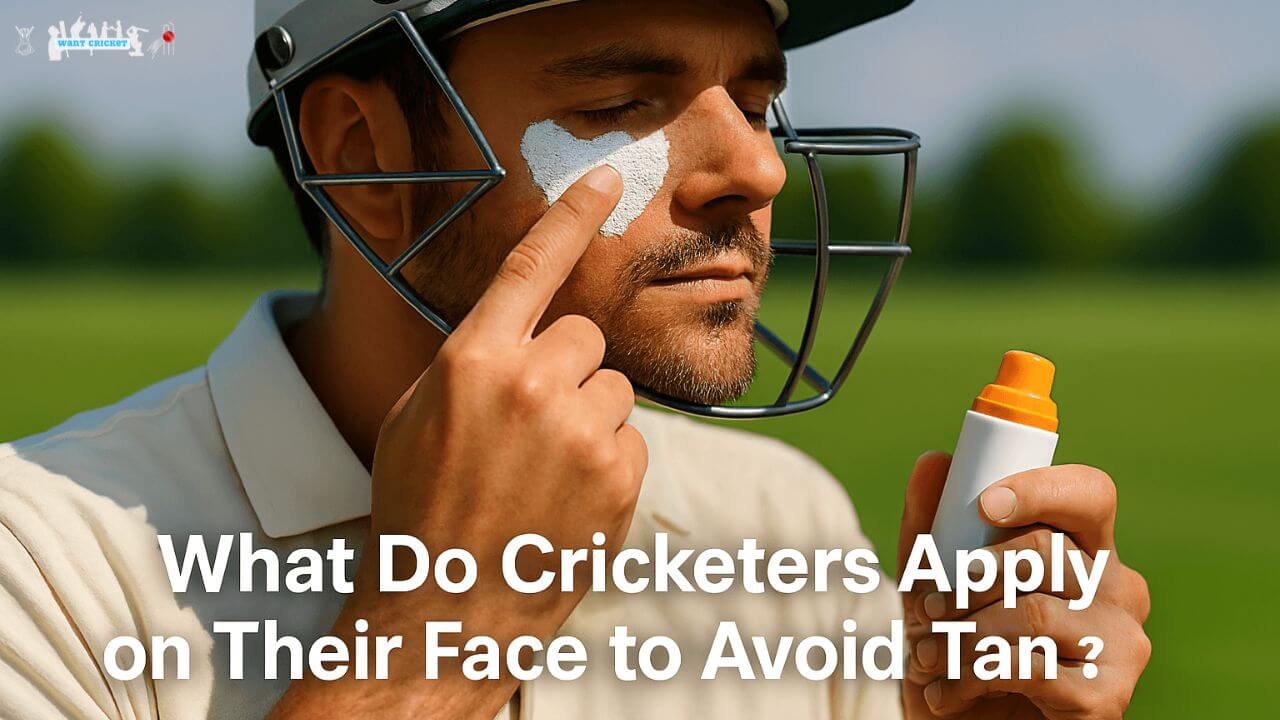
by If you’ve ever watched a cricket match, you’ve probably noticed players with a thick white cream smeared across their cheeks, nose, and lips. It’s not a fashion statement — it’s a serious line of defence against the sun.
Cricketers spend hours under intense sunlight, often in hot and humid conditions. Without protection, they risk sunburn, tanning, premature skin ageing, and even long‑term skin damage. So, what exactly is that cream — and why is it so effective?
Contents
The Science Behind Sun Protection in Cricket
1. Zinc Oxide Sunscreen – The Famous “White Cream”
- The most common product you see is zinc oxide‑based sunscreen.
- Zinc oxide is a physical (mineral) sunscreen — it sits on top of the skin and reflects harmful UVA and UVB rays instead of absorbing them.
- This is why it appears as a visible white layer — unlike chemical sunscreens, it doesn’t blend in completely.
- It works immediately upon application, unlike chemical sunscreens that need ~20 minutes to activate.
2. Why Zinc Oxide is Ideal for Cricketers
- Broad‑spectrum protection against both UVA (ageing rays) and UVB (burning rays).
- Sweat‑resistant — stays on during long matches.
- Non‑irritating — suitable for sensitive skin.
- Anti‑inflammatory — helps soothe minor skin irritation.
Other Skincare Products Cricketers Use
High‑SPF Sports Sunscreen
- SPF 50+ is common for maximum protection.
- Formulated to be non‑greasy and water‑resistant so it doesn’t run into the eyes.
Lip Balm with SPF
- Lips are prone to sunburn and dryness.
- Many players use SPF‑infused lip balms to prevent chapping.
Moisturiser with UV Filters
- Keeps skin hydrated while adding an extra layer of sun defence.
Why Cricketers Apply These Products?
- Skin Protection: Prevents sunburn and long‑term damage.
- Performance: Reduces discomfort, allowing players to focus on the game.
- Health: Minimizes risk of skin cancer from prolonged UV exposure.
- Tradition: Zinc oxide has been used for decades in outdoor sports.
How Cricketers Apply Sunscreen for Maximum Effect?
- Focus on High‑Risk Areas – Nose, cheeks, forehead, ears, and lips.
- Apply Generously – A thin layer won’t block enough UV rays.
- Reapply Every 2–3 Hours – Especially during day‑long matches.
- Combine with Other Protection – Caps, sunglasses, and sometimes arm sleeves.
Why Avoiding Tan is More Than Cosmetic?
While many think it’s just about avoiding a darker skin tone, the real reason is health:
- UV damage can cause DNA mutations in skin cells.
- Long‑term exposure increases the risk of skin cancer.
- Premature ageing — wrinkles, pigmentation, and loss of elasticity.
FAQs – Cricketers & Sun Protection
Q1: Why Don’t Cricketers Just Use Normal Sunscreen?
Ans: Normal sunscreens may not be sweat‑proof or long‑lasting enough for hours of play. Zinc oxide formulas offer better durability and immediate protection.
Q2: Why Is The Cream Always White?
Ans: Because zinc oxide is a mineral that reflects light — it doesn’t absorb into the skin like chemical sunscreens.
Q3: Can Regular People Use The Same Cream?
Ans: Yes! Zinc oxide sunscreen is safe for everyday use, especially if you spend long hours outdoors.
Q4: Does It Completely Prevent Tanning?
Ans: It significantly reduces tanning, but no sunscreen can block 100% of UV rays.
Q5: Do Players Use It In Cloudy Weather?
Ans: Yes — UV rays penetrate clouds, so protection is still necessary.
Personal Experience
As someone who has studied cricket culture, I’ve noticed how players adapt their skincare routines depending on conditions. In countries like Australia and India, where sunlight is intense, zinc oxide is common. In cooler climates, lighter sunscreens and moisturizers are preferred.
Also Read: Best Diet for Cricketers – Fueling Performance, Stamina & Recovery
Final Word
The white cream you see on cricketers’ faces is zinc oxide sunscreen — a tried‑and‑tested shield against the harsh sun. It’s not just about avoiding tan; it’s about protecting skin health, maintaining performance, and preventing long‑term damage.