 by
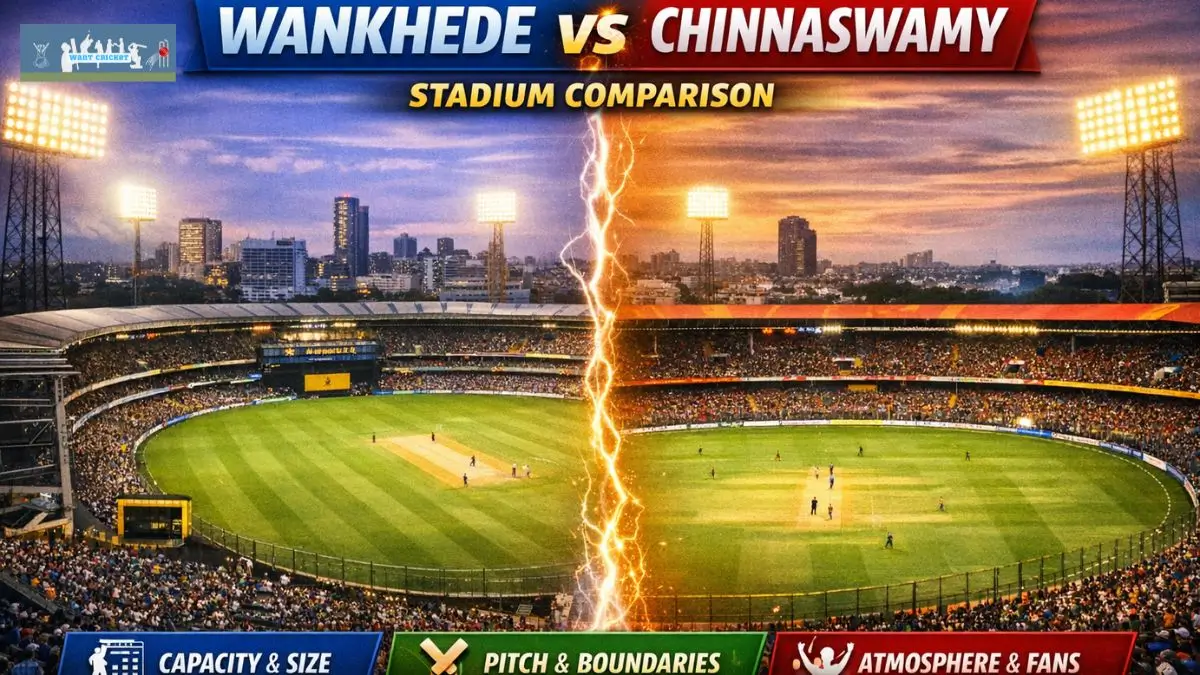
by Choosing between Wankhede Stadium and M. Chinnaswamy Stadium isn’t just a numbers game; while seating capacity is the easiest comparison, the real story lies in pitch behavior, boundary dimensions, dew and crowd dynamics — in this article I compare the two iconic Indian grounds by capacity, playing characteristics and fan atmosphere, and share practical insights from years of playing and coaching at both venues so you can understand why a few thousand seats rarely tell the whole story.
Contents
Quick Comparison Table
| Attribute | Wankhede Stadium (Mumbai) | M. Chinnaswamy Stadium (Bengaluru) |
|---|---|---|
| Seating capacity | ≈ 33,100. | ≈ 32,000. |
| Typical pitch character | Batting‑friendly; supports high scores, especially in later overs. | Flat, batter‑friendly decks; often produces big totals. |
| Atmosphere | High‑voltage, packed crowds for big matches. | Dome‑like, intense crowd feel despite slightly smaller capacity. |
| Notable | Hosted 2011 World Cup final. | Famous for flat decks and high scoring in IPL and internationals. |
Detailed Context and Why It Matters
Capacity is a straightforward metric: most reputable summaries list Wankhede at ~33,100 and Chinnaswamy at ~32,000, so Wankhede is larger by roughly 1,000 seats. However, stadium size alone rarely changes match outcomes. Pitch behavior, boundary lengths, outfield speed and dew are the decisive factors for captains and coaches when setting tactics.
Tactical and Fan‑Experience Differences
- Dew and chasing: Wankhede’s coastal location often brings dew in night games, making chasing easier; captains frequently bowl first at night.
- Boundary sizes: Chinnaswamy’s relatively short boundaries and fast outfield have produced many mammoth totals; it’s a batter’s paradise on good days.
- Crowd impact: A packed Wankhede can feel louder because of seating layout; Chinnaswamy’s compact, bowl‑like structure concentrates noise differently.
Personal Note
I’ve coached and watched matches at both grounds. The marginal capacity gap rarely changes the feel of a match — I’ve seen Chinnaswamy nights that felt bigger than the numbers suggested and Wankhede evenings where the crowd swung momentum. For players and coaches in New Delhi or elsewhere, focus on pitch report, toss strategy and boundary planning rather than headline capacity figures.
Risks, Limitations and How to Interpret Numbers
- Capacities change with renovations, temporary stands and safety rules; always check the latest official sources before citing exact figures.
- Match‑by‑match variability: Pitch preparation and weather can make either ground play differently across seasons.
Also Read: Why Do Matches At Chinnaswamy See So Many Sixes Being Hit?
Conclusion
Wankhede is marginally larger (≈33,100) than Chinnaswamy (≈32,000), but the practical difference is negligible — pitch, dew, boundary sizes and crowd intensity are far more important for match outcomes and fan experience.