by
by Walk into any major cricket stadium on match day — whether it is the Narendra Modi Stadium in Ahmedabad, Lord’s Cricket Ground in London, the Melbourne Cricket Ground in Australia, or the Wankhede Stadium in Mumbai — and within thirty seconds, you will be surrounded by advertising.
It is on the boundary boards. It is on the pitch covers. It is painted on the outfield grass. It is on the sight screens. It is on the players’ jerseys, on the stumps and bails, on the giant scoreboards, on the rooftops of the pavilions, on the drinks break trays, on the toss coin, on the LED panels rotating around the boundary, and on every available surface the camera will capture.
Cricket ground advertising is one of the most sophisticated, most data-driven, and most commercially significant sectors of sports marketing in the world. The global cricket advertising market — driven primarily by the Indian Premier League, international bilateral series, and ICC tournaments — is worth billions of dollars annually, and the competition for premium advertising positions on and around cricket grounds has never been more intense.
Yet for many businesses — from local companies considering their first pitch-side hoarding to multinational brands planning a global cricket sponsorship campaign — the world of cricket ground advertising remains opaque. How does it work? What positions are available? How are viewership and exposure measured? What does it actually cost? And most importantly — does it actually deliver results?
This is the most complete guide to advertisement on cricket ground that you will find — covering every format of cricket ground advertising, the economics and pricing of different positions, how brands measure the effectiveness of cricket advertising, the regulatory framework governing what can and cannot be advertised, regional differences in cricket advertising markets, and the practical guide for businesses of all sizes looking to advertise at cricket grounds.
Contents
- What Is Cricket Ground Advertising? A Complete Overview
- Types of Cricket Ground Advertising: Every Format Explained
- The IPL Advertising Ecosystem: The World’s Most Valuable Cricket Advertising Market
- How Cricket Ground Advertising Is Measured: The Science of Exposure Valuation
- Cricket Ground Advertising Rates: A Realistic Pricing Guide
- Regulations Governing Cricket Ground Advertising: What Can and Cannot Be Advertised
- Digital and Virtual Advertising: The Future of Cricket Ground Branding
- Cricket Ground Advertising in Different Formats: Test, ODI, and T20
- How to Advertise at Cricket Grounds: A Practical Guide for Businesses
- Case Studies: Successful Cricket Ground Advertising Campaigns
- Cricket Ground Advertising vs. Other Sports: Why Cricket Wins for Indian Advertisers
- The Future of Cricket Ground Advertising: Trends Shaping the Next Decade
- Frequently Asked Questions About Cricket Ground Advertising
- Que 1. What is the minimum budget needed to advertise at a cricket ground in India?
- Que 2. How do I contact the BCCI to advertise at Indian international cricket matches?
- Que 3. Can small businesses advertise at IPL matches?
- Que 4. Are there advertising opportunities at cricket grounds outside match days?
- Que 5. What categories of products cannot be advertised at cricket grounds?
- Que 6. How much exposure does a boundary board get at an IPL match?
- Conclusion
What Is Cricket Ground Advertising? A Complete Overview
Cricket ground advertising refers to all forms of commercial brand promotion that are placed within or immediately around a cricket stadium during matches — visible either to the crowd in the stadium, to the television audience watching the broadcast, or to both.
Cricket ground advertising is distinct from other forms of sports advertising in several important ways:
Long duration of exposure: A Test match lasts five days; an ODI lasts approximately eight hours; a T20 match lasts around three and a half hours. Even the shortest format provides far longer brand exposure than almost any other live sport — compare this with a ninety-minute football match or a two-hour tennis match. Advertisers at cricket grounds get dramatically more exposure time per event than in most other sports.
Natural pause structure: Cricket’s natural rhythm — deliveries, overs, wickets, drinks breaks, lunch breaks, tea intervals — creates dozens of natural camera moments when the field (and its advertising) is prominently visible without any on-field action competing for attention. These pauses are advertising gold.
Multiple camera angles: The broadcast of a cricket match uses dozens of camera positions — straight-on from behind the bowler’s arm, side-on from square leg, close-ups from multiple angles. Different advertising positions are visible from different cameras, creating a complex three-dimensional advertising landscape around the ground.
Global reach of major tournaments: The IPL, ICC Cricket World Cup, ICC T20 World Cup, and major bilateral Test series between top nations attract television audiences in the hundreds of millions — making premium cricket ground advertising among the most globally exposed brand placements in any sport.
Types of Cricket Ground Advertising: Every Format Explained
Cricket ground advertising exists in multiple distinct formats, each with its own characteristics, pricing, visibility profile, and suitability for different types of brands and campaigns.
1. Boundary Boards (Perimeter Boards)
Boundary boards — the advertising panels arranged around the perimeter of the cricket field, just inside or just outside the boundary rope — are the most fundamental and most visible form of cricket ground advertising.
How they work: Boundary boards are typically large rectangular panels (standard dimensions approximately 3 metres wide by 1 metre tall) arranged in an unbroken line around the complete boundary of the playing field. They are visible to:
- The live crowd in the stadium
- All television cameras (as the background to virtually every ball bowled)
- Photography from any angle
Static boundary boards: Traditional painted or printed panels that remain fixed throughout the match. These are the oldest form of cricket ground advertising and still widely used at domestic matches, Test matches, and in markets where LED technology has not yet been deployed.
LED boundary boards: The modern standard at major international venues, particularly in India, Australia, England, and South Africa. LED panels can display animated graphics, rotating advertisements (cycling through multiple brands during the match), and can be changed remotely between overs. A single LED boundary board installation can cycle through eight to twelve different brand advertisements during a match — dramatically increasing the number of brands that can advertise on a fixed number of panels.
Virtual boundary boards: A broadcast technology innovation that has transformed cricket advertising economics. Virtual boundary boards are real boards that appear plain white or plain blue on the ground — but the broadcast signal overlays a digitally generated advertisement onto these boards for the television audience. This means the advertisement visible on TV is entirely different from (and often does not exist physically at) the ground. Virtual boards allow broadcasters to show different advertisements to different regional audiences simultaneously — Indian viewers see one brand, Australian viewers see another, English viewers see a third — all from the same physical ground surface.
Why they matter: Boundary boards are captured in the background of almost every delivery bowled. A study of broadcast cricket coverage consistently shows boundary boards receiving more cumulative screen time than any other advertising format at the ground. For a major IPL match with 60 overs bowled (30 in each innings), each individual boundary board position receives estimated cumulative television exposure of 25–45 minutes over the course of the match.
2. Sight Screen Advertising
The sight screens — the large white or black screens positioned at each end of the ground, behind the bowler, to help the batsman pick up the ball — represent premium advertising real estate.
Why sight screens are special: The sight screen is directly in the broadcast camera’s field of view for every single delivery bowled. When the camera is positioned behind the bowler’s arm — the primary broadcast angle for most deliveries — the sight screen is the background against which the batsman and the ball are viewed. It receives more camera time than any other single structure at the ground.
The advertising constraint: Traditionally, sight screens must be plain white or plain black (to provide contrast for the batsman to see the red or white ball). This limits advertising on the sight screens themselves during play. However:
- The top of the sight screen (above the playing height) is available for advertising panels
- The sides of the sight screen carry advertising
- During breaks in play (drinks, lunch, tea), the sight screen surface itself may display advertising
- LED sight screens can display advertising before play begins, after wickets fall, and between overs
3. Pitch Covers and Outfield Advertising
Pitch cover advertising: When the pitch is covered — during rain breaks, between days of Test matches, or during pre-match preparation — the large covers protecting the pitch surface become valuable advertising surfaces. These covers are prominently visible to both crowd and cameras.
Outfield logo painting: Large brand logos are painted directly onto the outfield grass using temporary, grass-safe paint. These painted logos are visible:
- From cameras positioned high in the stands or on cranes
- From helicopter/drone cameras now standard in major broadcast productions
- From the aerial graphics shots used for replays and highlights
Outfield logo painting is particularly effective in T20 cricket, where the production values are highest and aerial shots are more frequently used.
Cut-on-pitch advertising: In some formats, small logos are placed on the pitch itself — typically between the creases or near the bowling crease area. This is a premium, premium position but comes with restrictions from cricket’s playing regulations about interference with the pitch.
4. Stump and Bail Advertising (Branded Playing Equipment)
Branded stumps are one of the most creatively visible forms of cricket ground advertising — small in size but enormously prominent in the broadcast because the camera focuses on the stumps for wicket replays, close-up shots, and the iconic images of stumps being shattered.
The DRS connection: The Decision Review System (DRS) uses ball-tracking and edge-detection technology that places cameras directly on the stumps. Stump cameras provide some of the most intimate broadcast angles in modern cricket. The brands on stumps appear in these shots repeatedly.
Branded bails: The light-up bails (Zing Bails) used in most international cricket today have proven to be one of the most commercially innovative advertising developments in cricket equipment. The bails illuminate orange when dislodged — creating a distinctive, broadcast-friendly visual that is replayed hundreds of times across global cricket coverage.
Ground equipment sponsorship: Beyond stumps, the entire range of playing equipment and ground infrastructure — drinks trays, ball bags, team dugout signage, umpire’s light meter pouches — carries branding at the highest levels of the game.
5. Scoreboard and Digital Screen Advertising
Electronic scoreboards at major international grounds are large-format LED screens that display match information — but they also cycle advertising content between deliveries and during breaks.
Giant screens (video screens): Large-format video screens positioned around the ground — typically two to four screens at a major international venue — display advertising during all natural pauses in play. These screens have the visual impact of cinema-scale displays and reach the entire crowd simultaneously.
The digital advertising ecosystem at a modern ground: At the Narendra Modi Stadium (capacity 132,000), multiple categories of screen exist simultaneously:
- Giant video screens (4–6) for match graphics and advertising
- LED boundary boards (complete perimeter)
- LED sight screen panels
- Concourse display screens (inside the stadium, visible to spectators during movement)
- Branded jerseys visible on the giant screens
- Sponsor logo on the live scoreboard display
6. Jersey and Apparel Advertising
While not strictly “ground” advertising, jersey advertising is inseparable from cricket ground advertising because the players’ jerseys are the most consistently visible branded surface in the entire broadcast. In T20 cricket, particularly the IPL, jersey advertising follows a sophisticated hierarchy:
Front chest position: The most valuable position on a cricket jersey. The Indian Premier League franchise jerseys’ front chest position commands the highest per-square-centimetre advertising rate in Indian sports.
Sleeve positions: Both sleeves carry advertising — with the left sleeve (more visible in right-handed batting stance) commanding a premium over the right.
Collar and collar reverse: Premium small-format positions.
Back of jersey: Visible when bowlers run in and when fielders are photographed from behind.
Helmet branding: The batting helmet carries advertising and is prominently visible in close-up broadcast shots.
Bat face advertising: The face of the batting bat — the surface that impacts the ball — carries advertising brands on the main blade. These brands are visible in close-up shots and in the distinctive imagery of batting stroke photography.
7. Stadium Infrastructure Advertising
Beyond the playing field itself, the stadium infrastructure — the permanent physical structures of the ground — offers advertising positions that are visible throughout the broadcast:
Pavilion rooftop signage: Large format signs on pavilion rooftops are visible from aerial cameras and from across the ground.
Floodlight bases and pylons: The bases and lower pylons of floodlight towers carry advertising visible from mid-ground camera positions.
Stand name sponsorship: Entire stands are named after sponsors — a combination of facility naming and advertising that creates long-term brand association with a specific structure. Examples include named stands at Lord’s, the MCG, Eden Gardens, and most IPL venues.
Stadium naming rights: The ultimate form of cricket ground advertising — the naming of the entire stadium after a sponsor. The Narendra Modi Stadium (renamed from Sardar Patel Stadium) is a high-profile case. In international cricket, naming rights deals for major venues can run to tens of millions of dollars over multi-year terms.
The IPL Advertising Ecosystem: The World’s Most Valuable Cricket Advertising Market
The Indian Premier League (IPL) is not merely the world’s most watched T20 cricket competition — it is one of the most sophisticated and most commercially valuable sports advertising environments anywhere in the world. Understanding IPL advertising is essential to understanding cricket ground advertising at its highest level.
IPL’s Viewership Scale
The IPL’s viewership numbers are staggering by any standard. During the IPL 2023 season, the combined reach of television and digital (JioCinema) viewership exceeded 500 million individuals in India alone, making it one of the most watched sports events in human history. This audience scale drives advertising values to levels that are difficult to comprehend outside the context of the Indian advertising market.
The IPL Advertising Revenue Structure
IPL advertising revenue flows through multiple channels:
BCCI Central Media Rights: The Broadcasting and Digital Streaming rights of the IPL — sold in a landmark 2022 auction to Star Sports (TV) and Reliance Jio (digital) for a combined value of approximately ₹48,390 crores ($6.2 billion) for 5 years — generate the core advertising revenue pool. The broadcast rights holders sell advertising spots during their IPL coverage.
Franchise Central Sponsorships: Each IPL franchise manages its own set of sponsors — jersey title sponsors, associate sponsors, ground sponsors, and official partners. The revenue from these franchise-level sponsorships goes to the franchise.
Venue Advertising: Advertising at the physical ground — boundary boards, sight screens, scoreboard advertising — is managed either by the ground’s host board (typically the respective state cricket association) or by the IPL’s central marketing arm.
On-air advertising (television commercials): The most familiar form — thirty-second and sixty-second commercial spots aired during the broadcast. IPL on-air advertising rates during prime-time matches are among the highest in Indian television history — peak rates exceed ₹15–25 lakhs per 10 seconds during IPL finals and high-profile matches.
Major IPL Title Sponsors and Ground Advertisers
The IPL has attracted a remarkable range of advertisers from different sectors:
Title sponsors of the IPL:
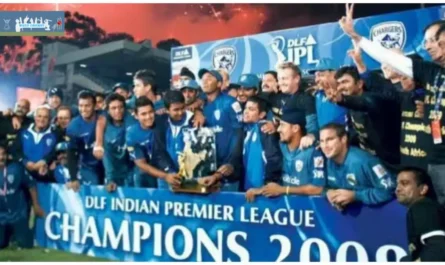
- DLF (2008–2012): India’s largest real estate company
- Pepsi (2013–2015): Global beverages brand
- Vivo (2016–2019, 2021–2022): Chinese smartphone manufacturer
- Dream11 (2020): Fantasy sports platform
- Tata Group (2022–present): India’s largest conglomerate
Consistent major IPL ground and franchise advertisers across seasons:
- CEAT Tyres (strategic timeout branding, pitch graphic)
- Jio (digital streaming partner, boundary board)
- Coca-Cola/Thums Up (official beverages partner)
- MRF (bat sticker branding, ground advertising)
- PhonePe/Paytm/Groww (financial services)
- Byju’s/upGrad (EdTech — prominent in recent seasons before sector contraction)
- Britannia, Parle, ITC (FMCG)
- Automobile brands (Hyundai, Maruti, Tata Motors)
The Strategic Timeout Advertising Innovation
One of the IPL’s most distinctive advertising inventions is the Strategic Timeout — a two-and-a-half-minute break introduced mid-innings (typically between the 7th and 9th over in the first innings, and between the 15th and 18th over in the second innings) that is a designated advertising break. The Strategic Timeout branding is typically sold to a single title sponsor — CEAT Tyres has been the Strategic Timeout sponsor for multiple consecutive seasons, making the “CEAT Strategic Timeout” one of the most recognized sponsorship assets in Indian sports.
IPL DRS (Decision Review System) Advertising
The BCCI Review technology (DRS) in IPL matches is branded — the UltraEdge, ball-tracking, and Hot Spot systems carry sponsor branding on screen. The “referral” moment — when a player calls for a review and the graphic system is shown — is a high-tension moment that draws maximum viewer attention, making DRS branding one of the most premium in-broadcast advertising positions.
How Cricket Ground Advertising Is Measured: The Science of Exposure Valuation
One of the most sophisticated aspects of cricket ground advertising is the methodology used to measure and value the exposure that different advertising positions receive. This measurement science — called Brand Exposure Valuation or Media Equivalent Value (MEV) — has become increasingly precise as broadcast technology and data analytics have advanced.
How Exposure Is Measured
Frame-by-frame broadcast analysis: Specialist agencies (including Nielsen Sports, Repucom, Kantar, and India-specific firms like TAM Sports and Hansa Research) analyze the complete broadcast recording of every match, frame by frame, to calculate:
- How many frames (and therefore seconds) each advertising position is visible on screen
- The size of the brand logo within each frame (percentage of screen occupied)
- The clarity of the brand identity (whether the logo is clearly legible or partially obscured)
- The camera angle and shot type (close-up vs wide shot)
- The timing within the match (high-viewership moment vs low-viewership moment)
Visibility score: Each frame is scored for visibility — a boundary board that is perfectly centered and clearly legible in a wide shot receives a higher score than one at the edge of the frame or partially obscured by a fielder.
Viewership weighting: The number of viewers watching at the specific moment each advertisement is visible is factored in — an advertisement visible during a last-over finish in an IPL match has a higher value than the same advertisement visible in the 12th over of a low-stakes match.
Media Equivalent Value (MEV): The total brand exposure — in terms of seconds visible, size, clarity, and viewership weighting — is converted into a monetary value by comparison with what it would cost to purchase the equivalent advertising exposure through direct television commercials at the channel’s published advertising rates.
What Good Measurement Reveals
For a major IPL franchise’s boundary board package (all home matches plus away match benefits), the MEV across a full IPL season can reach extraordinary numbers. Studies of IPL advertising have shown:
- Boundary board advertisers at IPL matches can receive MEV equivalent to two to five times their investment purely from broadcast exposure — before any crowd exposure, digital amplification, or PR value is added
- Jersey title sponsors of high-performing franchises receive MEV values running into hundreds of crores over a full season
- The DLF logo — the first IPL title sponsor — received MEV estimated at thousands of crores worth of brand exposure during its five-year sponsorship period
The Digital Amplification Multiplier
Modern cricket advertising measurement increasingly includes the digital amplification of ground advertising — the exposure a brand receives through:
- Clips shared on social media (where boundary boards are visible in the background)
- News photography (which captures boundary boards in every match image)
- Highlight reels on YouTube, Instagram Reels, and Twitter/X
- Fan photographs and videos shared on personal accounts
For a major IPL match, the social media lifecycle of compelling moments (a six, a crucial wicket, a last-ball finish) can drive tens of millions of additional views of content in which ground advertising is clearly visible — extending the advertising life of a boundary board position far beyond the live broadcast.
Cricket Ground Advertising Rates: A Realistic Pricing Guide
Pricing for cricket ground advertising varies enormously based on the format of cricket (Test, ODI, T20), the match’s viewership (IPL final vs domestic first-class match), the specific position (title sponsorship vs associate boundary board), and the duration of the deal (single match vs full season).
IPL Advertising Rates (2024–2025)
Television commercial spots:
- IPL prime-time matches: ₹10–25 lakhs per 10 seconds (depending on match importance)
- IPL Final: ₹25–40 lakhs per 10 seconds at peak
- Digital (JioCinema): Lower base rates but growing rapidly
Franchise jersey title sponsorship:
- Top IPL franchises (Mumbai Indians, Chennai Super Kings, Royal Challengers Bangalore, Kolkata Knight Riders): ₹50–100+ crores per season
- Mid-tier IPL franchises: ₹25–60 crores per season
Ground boundary board advertising (full IPL season, home matches only):
- Premium position LED boards: ₹5–20 crores per season depending on franchise popularity and ground
- Associate boundary board positions: ₹2–8 crores per season
Strategic Timeout sponsorship:
- Full IPL season Strategic Timeout title: ₹40–80 crores per season (as estimated for CEAT-level deals)
Stump sponsorship:
- IPL season stump branding: ₹15–30 crores per season (BCCI-controlled asset)
International Cricket (India Home Matches)
BCCI-managed ground advertising (India home bilateral series):
- Full-ground advertising package for a bilateral ODI series: ₹20–50 crores
- Individual boundary board positions per match: ₹15–50 lakhs per position per match (for major venues)
- India vs Pakistan or major bilateral Test series: Premium of 3–5x standard rates
Domestic Cricket Advertising (Ranji Trophy, Vijay Hazare, Syed Mushtaq Ali)
State association-managed advertising:
- Boundary board per match at major venues: ₹50,000–₹5 lakhs depending on broadcast status
- Non-broadcast domestic matches: ₹10,000–₹50,000 per boundary board position per match
- Unbroadcast Ranji Trophy matches: Crowd exposure only
International Cricket Boards (outside India)
England and Wales Cricket Board (ECB):
- The Hundred and major international matches at Lord’s/The Oval: £50,000–£500,000 per boundary board season package
- Full ground advertising rights package per major bilateral series: £2–5 million
Cricket Australia (CA):
- International matches at the MCG or SCG: A$100,000–A$500,000 per boundary board season package
- Big Bash League franchise advertising: A$500,000–A$5 million per franchise season package
Important caveat: These figures are industry estimates based on published reports, disclosed deal values, and industry sources. Actual rates are negotiated confidentially and vary significantly based on timing, relationship, bundled packages, and market conditions. Always obtain direct quotes from the relevant board or franchise’s commercial department.
Regulations Governing Cricket Ground Advertising: What Can and Cannot Be Advertised
Cricket ground advertising is not a free-for-all. Multiple layers of regulation govern what brands can advertise at cricket grounds — from the ICC’s global rules to individual national board policies to specific match regulations.
ICC Regulations on Advertising
The International Cricket Council (ICC) publishes specific guidelines governing advertising at ICC events (World Cups, Champions Trophy, Test Championship Final, etc.):
Category exclusions at ICC events: The ICC restricts certain categories of advertising at ICC-sanctioned events, including:
- Tobacco and tobacco products — completely banned from all ICC event advertising
- Alcohol — heavily restricted in terms of quantity and placement, particularly at grounds in countries where alcohol advertising is regulated (India, Pakistan, UAE)
- Gambling and betting — restricted or banned depending on the host country’s legal framework and the ICC’s current policies
Competitor exclusion: When a brand is an official ICC sponsor in a specific category, competitor brands in the same category are excluded from advertising at ICC events. This is the “clean stadium” principle — the ICC guarantees its official sponsors a clutter-free advertising environment in their category.
ICC branded assets: Certain ground elements — the stumps at ICC events, the umpires’ clothing, specific boundary boards — are reserved for ICC sponsors and cannot be sold by the host board independently.
BCCI Regulations (India)
The BCCI (Board of Control for Cricket in India) has its own detailed regulations governing advertising at India home matches:
Alcohol advertising: Surrogate advertising (advertising ostensibly for a non-alcohol product that is clearly linked to an alcohol brand) has historically been prevalent in Indian cricket but has faced increasing regulatory scrutiny. Direct alcohol advertising is heavily restricted at grounds in many Indian states.
Pan masala and tobacco: Pan masala advertising — considered a gateway to tobacco product advertising — has been a contentious area in Indian cricket advertising. Specific categories of pan masala with tobacco content are banned; the exact regulatory boundary shifts with government policy.
Fantasy sports: The BCCI has specific arrangements with dream11 as an official partner and has policies governing competing fantasy sports platforms’ advertising at BCCI events.
Player endorsement conflicts: Individual player endorsement contracts can create conflicts with team or BCCI sponsor agreements — there are specific rules governing when a player can display a personal sponsor’s logo that conflicts with a team sponsor.
Advertising Standards and Ground Ethics
Beyond legal regulations, the advertising industry in cricket operates under ethical guidelines:
Children’s safety: Advertising products inappropriate for children (alcohol, gambling, certain financial products) must not be positioned in ways that primarily target the significant number of children attending cricket matches.
Religious and cultural sensitivity: At international cricket grounds visited by diverse audiences, advertising content must meet the cultural sensitivity standards of the host country.
Player dignity: Advertising that could be deemed disrespectful to players — whether through body placement of logos, certain types of imagery, or messaging that could embarrass individuals — is generally disallowed.
Digital and Virtual Advertising: The Future of Cricket Ground Branding
The most significant transformation in cricket ground advertising over the past decade has been the emergence and maturation of virtual and augmented advertising technologies — enabling entirely new categories of advertising that could not have existed in the era of only physical boards.
Virtual Boundary Boards: The Technology Explained
Virtual boundary boards work through a combination of:
Camera reference technology: Cameras at the ground are precisely calibrated for position, angle, and lens characteristics. Computer software uses this calibration to calculate exactly where a virtual graphic would need to be placed in the camera’s image to appear in the correct position relative to the physical boards.
Green-screen style replacement: The physical boards (which are plain white or green for easy keying) are digitally replaced in real-time with the advertiser’s graphic — at standard broadcast quality, invisibly to the television audience.
Regional targeting: The most commercially valuable application — different advertising is inserted for different regional broadcast feeds simultaneously. A single boundary board in Ahmedabad can show a different brand to Indian viewers, British viewers, and Australian viewers — all at the same time, during the same delivery.
Real-time execution: Modern virtual board systems operate with a lag of one to three frames — imperceptible to viewers — meaning the virtual board can be changed between deliveries without any visible disruption.
What Virtual Advertising Has Changed
For broadcasters: Virtual boards allow broadcasters to sell advertising to brands that could not previously afford or justify the cost of physical ground advertising — a regional Indian brand with no global relevance can buy virtual board exposure only on the Indian feed, at a fraction of the cost of a physical board.
For ground administrators: Grounds can maximize revenue by layering physical and virtual boards — physical boards for in-stadium and some broadcast exposure, virtual boards for additional broadcast-only brands.
For international brands: A global brand can buy virtual board exposure on multiple national feeds simultaneously — achieving global reach from a single match.
Spider-Cam and Drone Advertising
Spider-cam advertising: The camera suspended on wires above the field (used for overhead shots) captures the playing surface and outfield from angles unavailable to fixed cameras. Outfield logo paintings and pitch area branding are specifically designed for spider-cam visibility.
Drone photography: The increasing use of drone cameras for artistic shots, highlights, and broadcast inserts creates visibility for advertising on rooftops, outer stands, and even the surrounding landscape of the stadium.
LED Technology Advancements
Higher resolution LED boards are enabling increasingly sophisticated animated advertising at cricket grounds. Rather than simple logo rotations, modern LED boundary board advertising can include:
- Full motion video sequences
- Countdown timers (CEAT Strategic Timeout countdowns)
- Interactive elements (social media hashtag integrations)
- Dynamic pricing displays (used by certain e-commerce advertisers)
- Real-time news or score integrations
Cricket Ground Advertising in Different Formats: Test, ODI, and T20
The format of cricket significantly affects the advertising landscape — both in terms of the type of brands that advertise and the specific opportunities available.
Test Cricket Advertising
Test cricket’s five-day duration creates the longest cumulative advertising exposure of any format. A single Test match provides approximately 40–50 hours of broadcast time across the five days — giving boundary board advertisers more raw exposure time than almost any other sports format.
Who advertises at Test matches:
- Heritage and prestige brands that align with cricket’s traditional values (financial institutions, luxury goods, premium beverages)
- Local and regional brands that benefit from sustained local market exposure
- Government and public sector advertising (common in South Asian Test cricket)
Test cricket advertising challenges:
- Falling viewership for Test cricket in certain markets (particularly among younger demographics)
- Lower peak viewership moments compared to T20 — fewer “viral” moments that extend the advertising’s digital life
ODI Cricket Advertising
One-Day Internationals offer the middle ground — substantial duration (approximately 8 hours), significant viewership, and a format that produces memorable highlights. ODI World Cups are among the most watched sporting events globally.
Key ODI advertisers: The 50-over format attracts the broadest range of advertisers — combining the sustainability appeal of Test match duration with viewership numbers closer to T20.
T20 Cricket Advertising
T20 is the engine of modern cricket advertising. The format’s combination of maximum entertainment intensity, highest viewership density, and global franchise league proliferation (IPL, BBL, PSL, CPL, SA20, ILT20) has made T20 cricket the dominant format for cricket advertising investment.
Why T20 attracts premium advertising:
- Highest viewership density per hour of any cricket format
- Most viral highlight moments (maximums, super overs, last-ball finishes)
- Largest and most diverse crowds (women, families, younger fans)
- Best broadcast production values with the most camera angles
- Global franchise leagues enabling international brand investment in local markets
The IPL as the template: The IPL has established the template for T20 cricket advertising that every other franchise league attempts to replicate — multiple advertising categories, sophisticated broadcast integration, comprehensive digital strategies, and the industry’s most detailed exposure measurement.
How to Advertise at Cricket Grounds: A Practical Guide for Businesses
Whether you are a local business in a city with a domestic cricket team or a national brand looking to enter the cricket advertising space, here is a practical framework for approaching cricket ground advertising.
Step 1: Define Your Advertising Objective
Cricket ground advertising serves different objectives at different scales:
Brand awareness: If your primary goal is building name recognition — getting your brand seen by large numbers of people — boundary board advertising at broadcast matches offers scale.
Association building: If your goal is to be associated with the values of cricket (discipline, teamwork, national pride), ground advertising and jersey sponsorship achieve this through consistent proximity to the sport.
Lead generation: Less directly applicable to ground advertising, but digital integrations (QR codes on ground boards, hashtag campaigns during matches) can create actionable advertising.
Trade and distribution support: Advertising at grounds in specific markets — where your distributors and retailers are present — can support trade relationships and demonstrate market investment.
Step 2: Choose Your Format and Match Category
| Business Size | Recommended Format | Why |
|---|---|---|
| Small local business | Domestic match boundary boards at local ground | Cost-effective crowd exposure |
| Regional brand | State association domestic T20 league advertising | Broadcast + crowd in specific geography |
| National brand (mid-scale) | Bilateral international series boundary boards | National television exposure at manageable cost |
| Major national brand | IPL franchise sponsorship (associate level) | Scale, digital amplification, celebrity association |
| Multinational brand | ICC event or IPL title/major sponsorship | Global reach, maximum brand prestige |
Step 3: Contact the Right Authority
For domestic matches: Contact the relevant State Cricket Association (Mumbai Cricket Association, Tamil Nadu Cricket Association, Karnataka State Cricket Association, etc.) — they manage advertising rights for matches at their grounds.
For IPL: Contact the specific IPL franchise’s commercial department directly, or go through a sports marketing agency that has relationships with IPL franchises.
For India international matches: Contact the BCCI’s commercial department or its appointed marketing partner.
For ICC events: Contact the ICC’s commercial arm in Dubai or through accredited sports marketing agencies.
For other international leagues (BBL, PSL, CPL): Contact the respective league’s commercial operations directly.
Step 4: Evaluate Proposals Critically
When evaluating proposals from cricket boards, franchises, or their marketing intermediaries:
Ask for MEV (Media Equivalent Value) estimates: Any reputable cricket advertising seller can provide estimated MEV for the positions being offered, based on historical measurement data.
Verify viewership numbers independently: Check BARC (Broadcast Audience Research Council) data for India, or equivalent bodies in other markets, for actual average viewership of the specific matches being offered.
Understand what you are buying: Physical boards only? Virtual board rights included? In-stadium crowd exposure only? Or broadcast exposure? The difference is enormous.
Negotiate duration and flexibility: Can you cancel positions if the match is washed out? What happens if viewership underperforms? Are make-goods available?
Step 5: Integrate Ground Advertising with Digital Strategy
Cricket ground advertising that is not supported by a digital strategy in the modern environment significantly underperforms its potential. Specifically:
Social media amplification: Create content around your cricket advertising — behind-the-scenes footage of your boundary board installation, videos of your brand being mentioned during the commentary, or celebration content when your sponsored team wins.
Hashtag campaigns during matches: Drive engagement during the match broadcast using your brand’s hashtag — fans watching on television who see your boundary board will engage with digital content if prompted.
Influencer integration: Cricket commentators and influencers who mention your brand in match-day content extend the advertising’s reach beyond the broadcast.
Case Studies: Successful Cricket Ground Advertising Campaigns
Case Study 1: MRF’s Decades-Long Bat Sticker Strategy
MRF Tyres has maintained a presence on the face of the bat of the world’s top cricket players since the 1980s — most famously on the bat of Sachin Tendulkar for much of his career. The strategy is deceptively simple: no endorsement fee for performance, just the bat sticker. The exposure MRF receives every time Tendulkar (or any current MRF-stickered player) is shown batting — close-up, in highlights, in photography, in coaching videos — is virtually unlimited in duration and global in reach.
What the strategy achieved: MRF became one of the most recognized tyre brands in India not through conventional tire advertising but through cricket bat sticker placement. The brand’s association with cricket is now so deep that it functions as a cultural asset, not merely an advertising placement.
The lesson for advertisers: Consistency and longevity in cricket advertising can create brand-sport associations that are worth more than any single campaign.
Case Study 2: CEAT’s Strategic Timeout Ownership
CEAT Tyres’ multi-year sponsorship of the IPL’s Strategic Timeout has created a uniquely owned advertising asset. By being the consistent sponsor of the two pauses in each IPL innings — branded as the “CEAT Strategic Timeout” in commentary and graphics — CEAT has associated its brand with the moment in the match when the most tactically minded viewers are paying maximum attention.
What the strategy achieved: In brand surveys, “CEAT” and “Strategic Timeout” have extremely high recall association — among the strongest in Indian cricket sponsorship. The naming of a gameplay element after the brand creates a permanence and depth of association that boundary board advertising alone cannot achieve.
Case Study 3: DLF’s IPL Title Sponsorship Launch Effect
DLF became the first IPL title sponsor in 2008 — the first season of what would become the world’s most valuable cricket league. The “DLF Maximum” (announced for every six hit in the IPL’s first seasons) became embedded in the cricket vocabulary of a generation of Indian cricket fans.
What the strategy achieved: DLF — primarily known for premium real estate in Delhi NCR — achieved national mass-market name recognition through its IPL title sponsorship. For a real estate brand whose traditional advertising was limited by its geographic product availability, the IPL provided a platform that no conventional real estate advertising campaign could have matched.
Cricket Ground Advertising vs. Other Sports: Why Cricket Wins for Indian Advertisers
In the Indian market specifically, cricket ground advertising offers advantages that no other sports advertising platform can match:
Unrivalled viewership: Cricket accounts for approximately 85–90% of all sports television viewership in India. The IPL alone accounts for over 40% of all sports viewership. No other sport comes close.
Demographic breadth: Cricket is watched by men, women, urban, rural, young, old, across all income groups and all regions of India. No other sport achieves this demographic completeness.
Frequency: IPL alone provides 74 matches per season. India plays 60–80 international matches per year. The total annual broadcast hours of cricket in India dwarf any other sport.
Regional richness: Cricket’s 8 IPL franchises (recently expanded to 10) represent different regional markets — advertising with specific franchises allows regional brand investment with regional audience efficiency.
Cultural centrality: Cricket in India is not merely a sport but a cultural institution. Association with cricket carries cultural credibility that advertising in no other sport can replicate.
The Future of Cricket Ground Advertising: Trends Shaping the Next Decade
AI-Powered Dynamic Virtual Advertising
The next generation of virtual advertising will use artificial intelligence to optimize advertising placements in real time — showing different advertisements based on the demographic profile of viewers watching at any given moment, the emotional intensity of the current match situation, and real-time market factors like stock prices, weather, or news events.
Immersive Second-Screen Integration
As television viewing increasingly happens alongside second-screen smartphone usage, cricket ground advertising will integrate more directly with mobile experiences — scannable codes on virtual boards, social triggers activated by match events, direct purchase links for products advertised in boundary board positions.
Women’s Cricket Advertising: The Emerging Frontier
The Women’s Premier League (WPL) — the women’s IPL launched in 2023 — represents the next major frontier in cricket ground advertising. As women’s cricket viewership grows rapidly in India and globally, WPL advertising positions are among the most underpriced in cricket advertising relative to their future potential. Early investors in WPL advertising are likely to benefit significantly from the growth trajectory of women’s cricket.
Sustainability Branding in Cricket
An increasing number of brands are using cricket ground advertising to communicate sustainability credentials — associations with the ground’s renewable energy infrastructure, carbon offset programs, or sustainable practices. Cricket’s global platform makes it well-suited for communicating brand sustainability at scale.
Also Read: Who is Best Captain in Cricket? Comparing Legends of the Game
Frequently Asked Questions About Cricket Ground Advertising
Que 1. What is the minimum budget needed to advertise at a cricket ground in India?
Ans: At the domestic level, local boundary board advertising at non-broadcast Ranji Trophy or state league matches is available for as little as ₹10,000–₹50,000 per match. For broadcast domestic T20 competitions, budget from ₹2–10 lakhs per match for basic boundary board positions. For IPL, meaningful advertising investment typically requires a minimum of ₹2–5 crores per season. Broadcast international cricket advertising starts from approximately ₹50 lakhs–₹1 crore for associate positions in a bilateral series.
Que 2. How do I contact the BCCI to advertise at Indian international cricket matches?
Ans: The BCCI’s commercial rights are managed through its official commercial department based in Mumbai. For official inquiries, reach through the BCCI’s official website (bcci.tv) or through accredited sports marketing agencies. For IPL franchise sponsorships, contact individual franchise commercial departments directly — most major IPL franchises have publicly listed commercial contacts.
Que 3. Can small businesses advertise at IPL matches?
Ans: Yes, though not at the ground directly. Small businesses can advertise in the IPL through the digital broadcast (JioCinema and Hotstar offer digital advertising packages at much lower minimums than television), through local print and digital coverage of IPL matches, or through ground-level sponsorships of IPL fan zones and official screening events.
Que 4. Are there advertising opportunities at cricket grounds outside match days?
Ans: Many cricket grounds offer advertising and branding opportunities during non-match days — training sessions (for venues with public training sessions), ground tours, stadium events, and corporate hospitality. These offer lower viewership but can be valuable for specific audiences (cricket tourism, stadium event attendees).
Que 5. What categories of products cannot be advertised at cricket grounds?
Ans: At ICC events, tobacco advertising is completely banned. Alcohol is heavily restricted or banned depending on host country. Gambling advertising is regulated by host country laws. At BCCI events in India, direct tobacco advertising is banned. Pan masala with tobacco content is restricted. Specific restrictions may apply to direct competitors of official sponsors. Content that is vulgar, offensive, or culturally inappropriate is disallowed.
Que 6. How much exposure does a boundary board get at an IPL match?
Ans: Based on industry measurement data, a single boundary board position at an IPL match receives approximately 25–45 minutes of cumulative television screen time over the course of a match — across all camera angles where the board is visible. This is equivalent to purchasing three to five minutes of dedicated thirty-second television commercials but at a much lower cost per minute of exposure.
Also Read: Where Did Cricket Originated? History of Cricket Explained
Conclusion
Cricket ground advertising — from the simplest boundary board at a domestic match to the multi-crore title sponsorship of an IPL franchise — represents something that digital advertising platforms, no matter how sophisticated, cannot fully replicate: genuine presence in the moment when India’s most passionately watched sport is being played.
When 132,000 people fill the Narendra Modi Stadium for an India vs Pakistan match and another 350 million watch on television — when a boundary board brand is in the frame as a six sails into the crowd or as a wicket falls in the last over — that brand is participating in a shared emotional moment of national significance. That is not an impression counted by an algorithm. It is a genuine human experience, and the brands present in it benefit from an association that paid search results and display advertising cannot manufacture.
Cricket ground advertising has evolved enormously from the simple painted boards of the 1980s — LED technology, virtual overlays, AI-powered targeting, and comprehensive measurement science have made it more sophisticated and more accountable than ever. But its fundamental power has not changed: it places brands inside the sport that India loves most, at the moments India cares most deeply about.
For businesses that understand this — and invest accordingly — cricket ground advertising remains one of the most compelling marketing investments available in the Indian market.