 by
by There is no single, verifiable cricketer who can responsibly be named “the one with the most fake Instagram followers.” Public audits and industry reports show that players with the largest followings often register the largest absolute counts of suspicious or inactive accounts, while smaller accounts can show a higher percentage of flagged followers. Interpreting these findings requires attention to methodology, timeframes, and the difference between absolute flagged accounts and percentage flagged.
Contents
How fake‑follower audits work and what the metrics mean
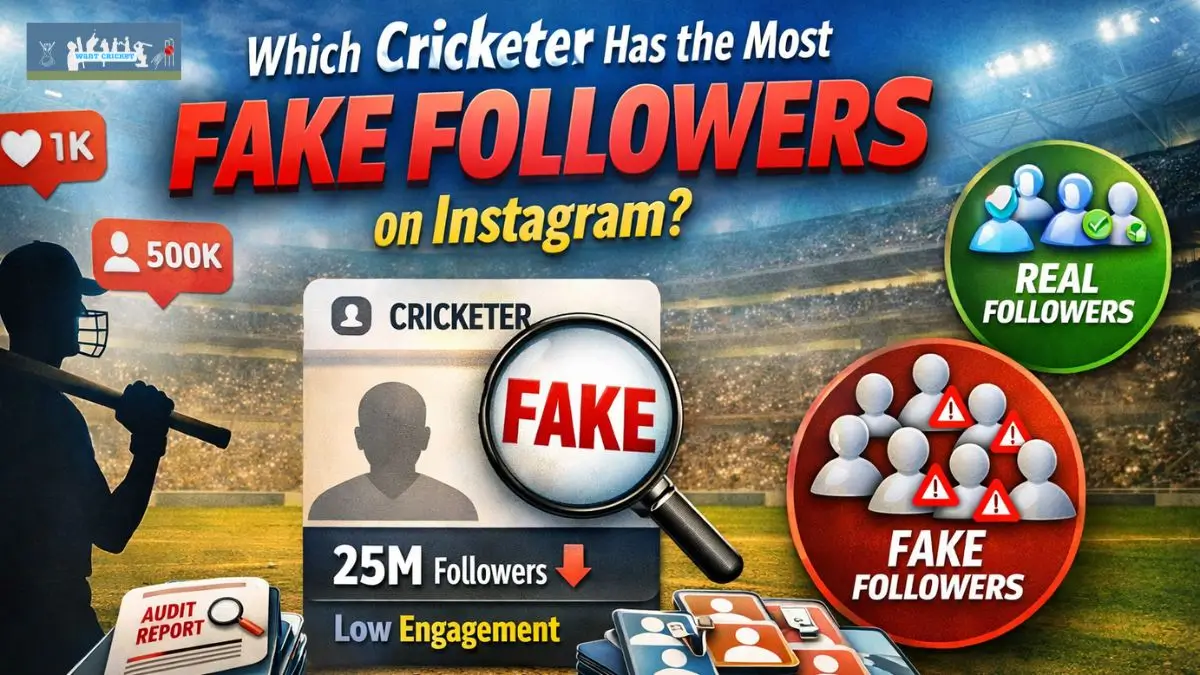
Auditors and analytics platforms use heuristics and sampling to flag suspicious accounts. Common signals include very low engagement relative to follower count, empty profiles, bot‑like usernames, sudden follower spikes, and geographic or timestamp anomalies. Audits typically report three core metrics:
| Metric | What it measures | How to interpret it |
|---|---|---|
| Absolute flagged accounts | Raw number of suspicious followers detected | Shows scale of potentially wasted reach for mega‑influencers. |
| Percentage flagged | Flagged accounts as a share of total followers | Best for comparing authenticity across accounts of different sizes. |
| Engagement rate | Likes + comments per follower | Primary red flag: high followers with low engagement suggests inauthentic audience. |
Key point: a superstar with 30 million followers may have more suspicious accounts in absolute terms than a smaller player, but the smaller player can still have a worse percentage of fake followers.
Why you cannot reliably name a single “most fake” cricketer
Several factors make a single, authoritative ranking impossible and irresponsible:
- Methodological differences: Audit tools use different heuristics, sampling sizes, and thresholds, producing divergent results.
- Time sensitivity: Follower lists change daily; a snapshot today can look different next week.
- Scale effects: Absolute flagged counts rise with follower size; percentages tell a different story.
- False positives and regional nuance: Legitimate inactive accounts, archived profiles, or regional fan pages can be misclassified.
- Legal and reputational risk: Publicly accusing a named individual of buying followers without reproducible, timestamped evidence can be defamatory.
Because of these constraints, the responsible approach is to explain how audits work and how to interpret them rather than to publish a single “most fake” name.
How to verify an account’s authenticity — practical steps for brands, journalists, and fans
- Request a recent, timestamped audit report from the influencer and prefer tools that disclose methodology.
- Compare absolute and percentage metrics to get a full picture of authenticity.
- Check engagement quality by sampling comments for language, relevance, and timestamps.
- Look for organic signals such as regional comments, fan‑created content, and consistent engagement over time.
- Cross‑check with multiple tools to reduce tool‑specific bias.
- Insist on transparency in deals and require recent audit outputs before signing paid collaborations.
Practical tip: For brands, prioritize engagement quality and conversion metrics over raw follower counts when evaluating influencer value.
Also Read: Kavya Maran: The Woman Who Stole the Spotlight in a Man’s Game
Conclusion
Public audits consistently show that cricketers with the largest Instagram followings often register the largest absolute counts of suspicious accounts, but because audit methods and timeframes differ there is no single authoritative “most fake followers” label. The responsible way to evaluate authenticity is to examine both absolute flagged accounts and the percentage flagged, prioritize engagement quality, and insist on recent, transparent audit reports before drawing conclusions or making commercial decisions.
Follow us on Instagram: Want Cricket