 by
by For every aspiring cricketer, earning a place in county cricket is a milestone — a gateway to professional exposure, discipline, and international recognition. England’s county system is one of the most competitive and structured cricket environments in the world. Preparing for county trials isn’t just about skill; it’s about mindset, fitness, and adaptability.
As a coach who has guided players through domestic and overseas trials, I’ve seen how preparation separates those who make the squad from those who fade after the nets. This guide breaks down every step — from technical readiness to mental conditioning — so you can approach county trials like a professional.
Contents
Understanding County Cricket Trials
County trials are organized by English county clubs to identify emerging talent for their academy or senior teams. Players are assessed on:
- Technical ability (batting, bowling, fielding)
- Game awareness
- Fitness and endurance
- Adaptability to English conditions
- Temperament under pressure
Trials usually take place between February and April, before the domestic season begins.
How to Prepare for County Cricket Trials – Step‑by‑Step Guide
1. Technical Readiness
Focus on fundamentals — your stance, footwork, and shot selection. County coaches value consistency over flair.
| Skill Area | Key Focus | Drills |
|---|---|---|
| Batting | Compact technique, patience | Throw‑downs, swing‑ball nets |
| Bowling | Line, length, seam control | Target bowling, wrist position |
| Fielding | Reflexes, anticipation | Slip catching, boundary throws |
| Wicketkeeping | Foot movement, glove work | Spin‑to‑keeper drills |
Expert Tip: In England, pitches favor seam and swing. Practice with a Dukes ball, which moves more than the Kookaburra used in Asia.
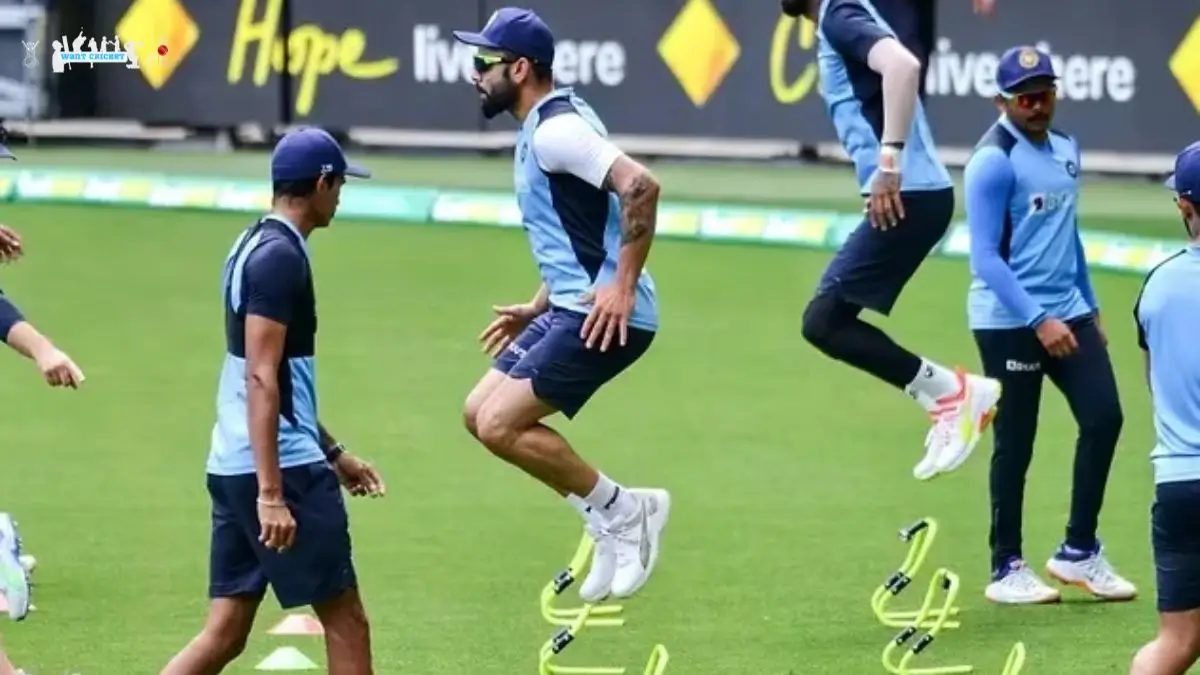
2. Physical Conditioning
County trials demand endurance. You’ll face multiple sessions in cold weather, often on damp surfaces.
Training Focus:
- Cardio: Long‑distance runs and shuttle sprints.
- Strength: Core and leg workouts for balance.
- Flexibility: Yoga or dynamic stretching to prevent injuries.
- Recovery: Ice baths and proper sleep cycles.
Example Routine:
- 5 km run (3 days/week)
- 45 min gym (alternate days)
- 20 min fielding drills daily
3. Mental Preparation
Trials test composure. You may bat only once or bowl a few overs — every moment counts.
Mindset Strategies:
- Visualize success before sessions.
- Focus on process, not outcome.
- Stay calm after mistakes; selectors notice resilience.
- Keep a performance journal to track progress.
As a coach, I tell players: “Trials don’t measure perfection; they measure potential.”
4. Adapting to English Conditions
England’s weather and pitches differ drastically from subcontinental ones.
| Condition | Challenge | Adaptation |
|---|---|---|
| Overcast skies | Swing movement | Play late, watch seam |
| Damp pitches | Variable bounce | Shorter stride, soft hands |
| Cold climate | Muscle stiffness | Longer warm‑ups |
| Wind factor | Ball drift | Adjust line and grip |
If possible, arrive in England two weeks before trials to acclimatize.
5. Equipment and Gear
Invest in quality gear suited for English conditions.
Checklist:
- English willow bat (medium weight)
- Spiked shoes for damp turf
- Thermal innerwear for cold sessions
- Dukes cricket balls for practice
- Waterproof kit bag
6. Nutrition and Hydration
Cold weather can mask dehydration. Maintain balanced nutrition.
Diet Plan:
- Breakfast: Oats, eggs, fruit
- Lunch: Grilled chicken/fish, rice, vegetables
- Snacks: Nuts, protein bars
- Dinner: Lean protein, salad
- Hydration: 3–4 litres water daily
Avoid heavy oily food before sessions — it slows reflexes.
7. Trial Day Strategy
On trial day, focus on execution.
Before the Trial:
- Arrive early; warm up properly.
- Observe conditions and adjust technique.
- Keep communication clear with coaches.
During the Trial:
- Bat with intent, not aggression.
- Bowl disciplined lines; avoid over‑experimenting.
- Show energy in fielding — enthusiasm counts.
After the Trial:
- Thank selectors and staff.
- Reflect on performance; note areas to improve.
Common Mistakes to Avoid
| Mistake | Impact | Correction |
|---|---|---|
| Overtraining before trials | Fatigue, injury | Rest 48 hours before |
| Ignoring weather adaptation | Poor performance | Practice in similar conditions |
| Focusing only on batting/bowling | Missed fielding marks | Balance all skills |
| Neglecting mental preparation | Panic under pressure | Practice visualization |
Real‑World Example
During the Surrey County trials in 2024, one of my trainees — a medium pacer from Delhi — impressed selectors not by pace but by control. He bowled six overs on a damp pitch, maintaining a tight line and adapting his wrist position. His discipline earned him a development contract.
That’s the essence of county trials — selectors value adaptability and temperament more than raw talent.
County vs Domestic Trials
| Aspect | County Trials (England) | Domestic Trials (India) |
|---|---|---|
| Conditions | Cold, swing‑friendly | Hot, spin‑friendly |
| Ball Type | Dukes | SG/Kookaburra |
| Duration | Multi‑day sessions | Single‑day or camp‑based |
| Focus | Technique + adaptability | Skill + aggression |
| Selection | Long‑term development | Tournament‑based |
Frequently Asked Questions (FAQs)
Que 1: What age is ideal for county trials?
Ans: Most counties accept players between 16–25 years for academy or development squads.
Que 2: Can overseas players apply?
Ans: Yes, but you may need a sports visa and proof of club experience.
Que 3: How long do trials last?
Ans: Typically 2–3 days, including nets, match simulations, and fitness tests.
Que 4: What do selectors look for most?
Ans: Consistency, adaptability, and attitude.
Que 5: How to contact county clubs?
Ans: Visit official websites — each county posts trial dates and registration forms.
Also Read: Best Cricket Fielding Practice Equipment in India: Gear Up to Sharpen Your Skills
Conclusion
County cricket trials are not just tests of skill — they’re auditions for professionalism. Success depends on preparation, discipline, and adaptability.
As a cricket expert, I’ve seen players with average talent succeed through relentless preparation. The key is simple: train smart, stay calm, and respect conditions.
When you walk into that trial ground, remember — you’re not just chasing selection; you’re proving you belong in the world’s most competitive cricket ecosystem.